Selling and Buying a House at the Same Time
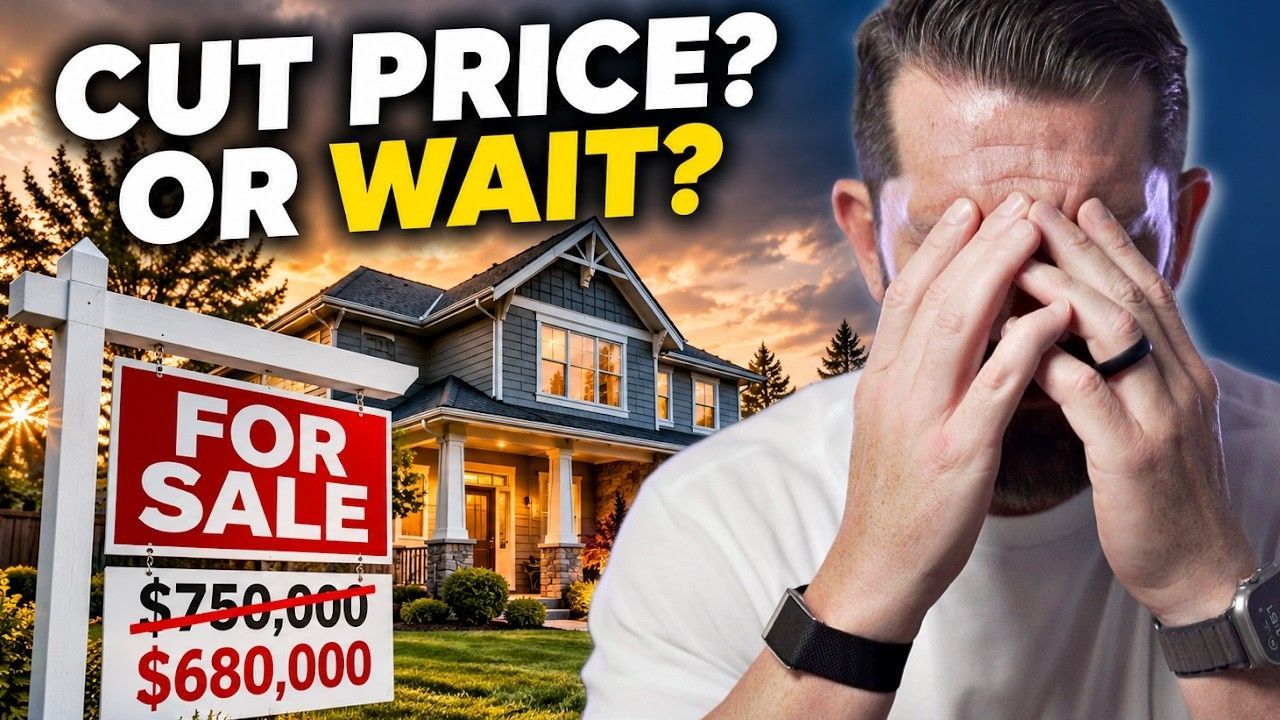
The housing market keeps shifting, and if you're planning to sell, your expectations need to shift with it. (Figures here reflect the market as of this video, 11/04/2026, and change over time; confirm current numbers with a professional.) Homes are sitting longer, buyers are offering under asking, and in some cases they're asking sellers to cover closing costs, their agent's compensation, or a credit toward buying down their rate. That doesn't mean you can't sell quickly or get a strong price, but you need to understand what you're actually walking into. I've already covered what selling really costs once you build an actual net sheet and how to think through a price reduction, so here I want to focus on something sellers often miss entirely: if you're also buying your next home, the picture is bigger than just your sale.
Why Homes Are Sitting Longer Right Now
Part of it is simple seasonality. Heading into the slower months of the year, fewer buyers are actively looking, even though people still relocate, divorce, downsize, and have plenty of real reasons to move regardless of season. Combine that with mortgage payments that are substantially higher than they were even a year or two ago, and buyers are doing math on the monthly payment as much as the sale price. A house you think is worth $900,000 because a similar property sold for that six months ago doesn't matter to a buyer if the payment, including taxes, insurance, and HOA dues, doesn't work for their budget. Inventory has also increased in a lot of markets, meaning buyers who might have had one option a couple of years ago now have six or seven homes to compare, and when buyers have options, they're not in a hurry to write an offer on yours specifically. Real estate is local, though, so don't assume what you're reading nationally applies directly to your street. Some markets around the country have returned to inventory levels not seen since before the pandemic, while others are still running tight. Know which situation you're actually in before you decide how to price and market your home, since the national headline and your specific neighborhood can tell two very different stories.
Buyers Are Going to Ask For Things
Expect it, and don't take it personally. Say you list at $900,000 and get an offer for $875,000, with the buyer also asking you to cover their agent's compensation and contribute $10,000 toward closing costs or a rate buydown. It's frustrating to feel like you're giving up $25,000 on price and then being asked for more. I deal with sellers working through that frustration all the time, and it's a completely normal reaction. But just because a buyer asks for something doesn't mean you have to agree to it. You can counter, you can negotiate the credits, you can decline specific requests, while also understanding that the buyer can walk and go buy something else. A lot of sellers are still operating as though they can dictate every term simply because they own the house, and that mindset worked when there were ten buyers for every listing. With more inventory and less urgency on the buyer's side, the negotiating dynamic has genuinely changed, and pricing and terms both need to reflect that.
The Highest Offer Isn't Always the Best One
Picture two offers on your home: one at $900,000 asking for a $20,000 closing cost credit, another at $890,000 with no credits at all. All else being equal, the second offer puts $10,000 more in your pocket, and that's before factoring in financing, contingencies, and the buyer's actual ability to close. Getting offended by a number below your asking price and missing the better offer underneath it is a mistake I see constantly. Take the emotion out and look at what you'll actually net, which is exactly the exercise worth running on every serious offer that comes in, including the ones you turn down.
If You're Also Buying, Look at Both Sides of the Deal
This is the part sellers overlook most. If you're selling to buy your next home, fixating on what you're giving up on the sale ignores what you might gain on the purchase. Say you're selling an $800,000 house and buying a $1.2 million house. If you accept 3% less than you hoped on your sale, that's $24,000 given up. But if you're able to negotiate 3% off the purchase price of your next home, that's $36,000 gained, a net $12,000 in your favor. That's a simplified example and doesn't account for transaction costs, financing, or other concessions either side might ask for, and if you're trading a very low mortgage rate for a meaningfully higher one, your monthly payment could still rise even after negotiating a lower purchase price. This logic also assumes you're moving up to a more expensive home, where a percentage discount translates into a bigger dollar amount on the purchase side. If you're downsizing into something less expensive, the math works against you instead, since the dollar value of your negotiating room shrinks right along with the price. Either way, the larger point stands: what you give up as a seller in this market, you often make up, or more, as a buyer in the same market, provided you're buying up rather than down. Evaluate the whole move rather than the sale in isolation.
Why Waiting Until Spring Isn't a Guarantee
I understand the instinct to wait for the market to "pick back up," but waiting doesn't guarantee a better outcome. Rates could stay elevated for a while longer given ongoing inflation pressure and broader economic uncertainty, and nobody, including me, can predict exactly where they'll be in six months. And even if rates do come down meaningfully, that cuts both ways: lower rates could bring more buyers into the market, but they could also bring more sellers off the sidelines, since some homeowners sitting on very low existing rates have been waiting for exactly that shift to finally make their own move. More buyers and more inventory arriving at the same time doesn't automatically translate into a stronger position for you. There are legitimate reasons to wait, like kids mid-school-year or simply not being financially ready, but waiting purely on the hope that conditions will be considerably better in a few months is a real gamble either way.
What to Actually Do If You're Selling Now
Start with your specific local market, not a national headline, since the number of comparable homes available, how long they've sat, and whether sellers nearby are reducing price tell you far more than any broad statistic. Understand your competition directly: if there are several similar homes near yours, know exactly how yours compares and be realistic about how much value your upgrades actually add in a buyer's eyes, since spending $50,000 on a kitchen doesn't guarantee a buyer pays you back that same $50,000. Prepare your property before listing, since buyers with multiple homes to choose from will simply move to the next option rather than mentally discounting a house that needs obvious work. And have an actual plan for what happens if your home doesn't sell the first weekend, since that's increasingly normal rather than a sign something's wrong. Pay attention to the feedback you're getting: plenty of showings with no offers points to condition, floor plan, or price; few or no showings points to pricing or marketing, or both. Work with an agent who'll tell you what you need to hear about pricing before the house ever hits the market, not one who tells you what you want to hear just to win the listing, since an uncomfortable pricing conversation up front is far better than the same conversation ninety days and three price cuts later. The goal was never the highest number on paper, it's walking away with the most money on terms that actually work for you, on a timeline that fits your life.
And if you're also buying, remember that this same shifted market is working on your behalf the moment you switch sides of the transaction. The seller you're negotiating with when you buy is facing the exact same slower season, the exact same buyers with more options, and the exact same pressure to be realistic about price. Selling in this market can feel discouraging in isolation, but it rarely stays in isolation if your next move is already lined up behind it.
Thinking about selling your home?
Let's talk through your situation and build a plan, whether that's working with me directly here in Huntington Beach and Orange County, or connecting you with a trusted agent in your area.
Get in touch →Frequently Asked Questions
Should I wait to sell my house until the market improves?
Waiting doesn't guarantee a better outcome. Mortgage rates could stay elevated for a while, and even if they drop, that could bring more sellers off the sidelines at the same time as more buyers, which doesn't automatically put you in a stronger position. Legitimate reasons to wait exist, but hoping conditions improve significantly in a few months is a real gamble.
What should I expect when selling my house right now?
Expect homes to sit longer than they did a few years ago, buyers to ask for closing cost credits or rate buydown contributions, and to need a realistic, competitive price from the start rather than testing a higher number and reducing later.
Is the highest offer always the best offer when selling a house?
Not necessarily. An offer with a lower price but no buyer credits can net you more than a higher offer that includes significant closing cost or rate buydown requests, which is why it's worth evaluating what you'll actually net rather than comparing offers by price alone.
How does selling and buying a house at the same time affect my finances?
If you're selling to buy your next home, a price concession you make as a seller can be offset, or more than offset, by negotiating room you gain as a buyer in that same market. It's worth evaluating both sides of the transaction together rather than focusing only on what you're giving up on the sale.
Why is my house sitting on the market longer than expected?
It could be seasonal timing, pricing relative to current competition, or buyers factoring in higher monthly payments from elevated mortgage rates, property taxes, and insurance. Review feedback from showings to tell whether the issue is price, condition, or marketing.
Should I overprice my house and lower it later if it doesn't sell?
This is generally a risky strategy. A home typically gets the most attention when it first hits the market, and pricing too high can cause it to sit, after which buyers may assume something is wrong and offer even less once you do reduce the price.