Is It Smart to Buy a House at 7.5% Interest?
Back in February of 2025, I made a video arguing that buying a home at a 7% mortgage rate could still be smart, and people thought I was crazy. When rates got closer to 6%, I made the same argument again, and got the same reaction. Now rates are back around 7.5%, and I'm making that case a third time. (Figures here reflect the market as of this video, 10/26/2026, and change over time; confirm current rates and numbers with a professional.) Everybody keeps focusing on the rate itself, but the real story is what's actually changed in the housing market around it: homes are sitting longer, sellers are cutting prices, and buyers are finally getting room to negotiate that simply didn't exist a few years ago. I know that's a hard argument to hear when 7.5% sounds painful on paper, so let's walk through why I keep making it anyway.
Why This Argument Is Different This Time
My first two videos were built on a simple idea: lock in a rate today, and if rates move higher later, you've already secured something better than where they ended up. This time the logic is different, because I think we're at or near the top of where rates are going to sit, somewhere around 7.5%. So if rates probably aren't getting much worse, why buy now instead of waiting for them to come down? Because the case for buying right now has very little to do with where rates are headed and everything to do with the opportunity currently sitting in the market. Each time I've made this argument, people assumed I was telling them rates were about to drop. I wasn't then, and I'm not now. I'm telling you what's happening with sellers while everyone else is distracted watching a number on a mortgage calculator.
What's Actually Changed in the Market
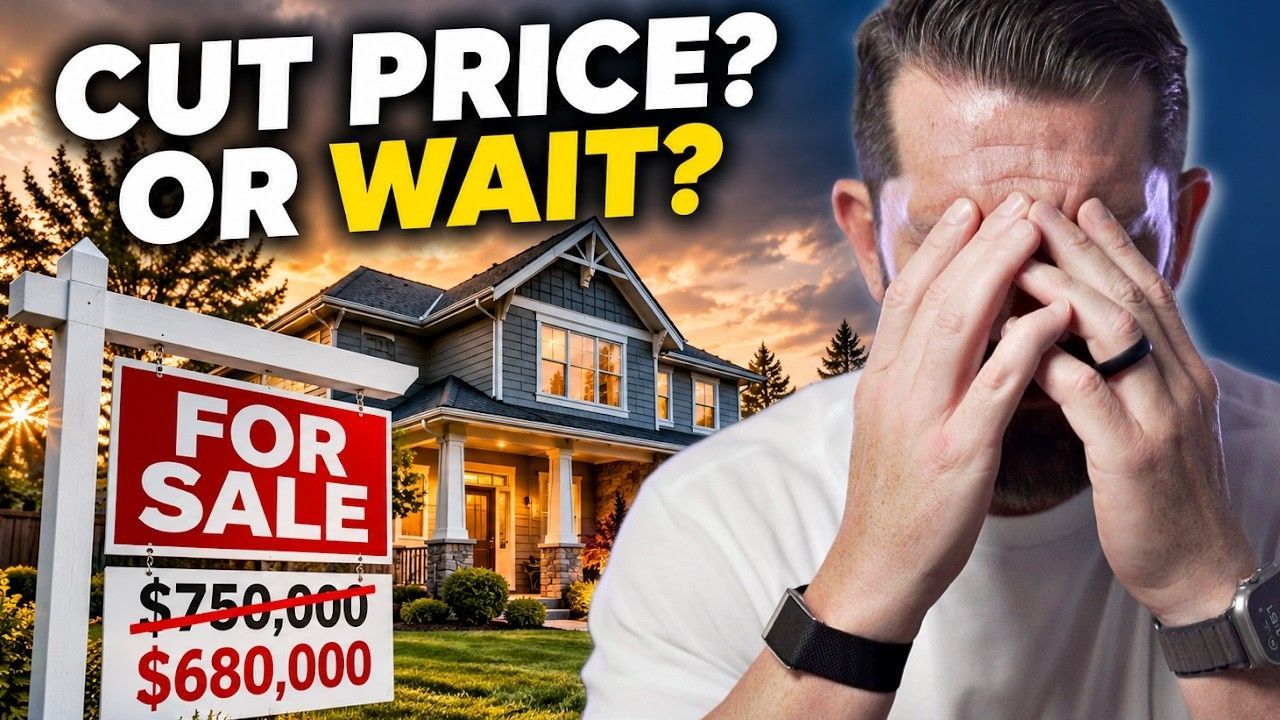
Homes are sitting longer, there's less competition for buyers, and because of that, sellers are reducing prices and offering concessions at a level I haven't seen since before the pandemic. I'm currently working with sellers who held firm on price for months and have now accepted that if they give a little on their own sale, they'll likely get it back when they buy their next home, since whatever they're purchasing will come with its own concessions from that seller. We also have more inventory than we did a year ago, which means buyers aren't rushing contingency timelines or waiving protections just to compete. The dynamic has flipped: a few years ago buyers were asking sellers what it would take to get an offer accepted, and now some sellers are asking what it'll take to get buyers to write one at all.
Fall and Winter Listings Are Serious Sellers
We're heading into the slower part of the year, and anyone with a home on the market over the next couple of months is a genuinely serious seller. This is typically when people who aren't truly motivated pull their listings, since nobody wants showings during the holidays. In one recent deal, we offered six to seven percent under asking and still got the seller to agree to pay $60,000 to pay off the solar on the home, something that wouldn't have been possible three or four months ago when rates were lower and competition was tighter.
What Negotiating For This Actually Looks Like
This isn't just asking for a lower price and hoping. The concessions I'm seeing right now come in a few different forms, and which one makes sense depends on the buyer. A seller-paid rate buydown lowers your payment for a year or two, or sometimes for the life of the loan, which can matter more than a price cut if the monthly number is what's actually keeping you up at night. A closing cost credit frees up cash you'd otherwise need at the table, which matters more if you're stretching to make a down payment work. And a straight price reduction matters most if you're planning to refinance down the road, since a lower purchase price lowers your loan balance permanently while a temporary buydown eventually expires. I walk buyers through all three before we write an offer, because asking for the wrong one can mean leaving real money on the table even when a seller is willing to negotiate. None of this requires you to be a natural negotiator. It just requires knowing the ask exists and being willing to make it, since plenty of sellers right now would rather hold their list price on paper and quietly offer the concession once an offer comes in than cut the number everyone sees on the listing.
If Rates Go Higher After You Buy
If you buy at 7.5% and rates climb to 8% or 8.5%, you've already secured a better rate than that, so it doesn't really affect you. The real risk in that scenario is to home prices, but that risk mainly falls on sellers who absolutely have to sell. Most sellers right now don't have to; they're hoping for the right buyer and willing to negotiate, but they're not distressed. Something like 40% to 42% of homeowners own their homes free and clear, and a large share of the remaining 58% carry substantial equity, which means widespread forced selling, the kind that actually drives prices down, just isn't the setup we're in. Home prices tend to be sticky on the upside, since sellers remember what the house down the street sold for and rarely let go for much less than that number in their head.
If Rates Go Lower After You Buy
If rates drop after you buy, more buyers come back into the market, which soaks up inventory and puts you back in competition if you were still shopping. If you still have job security and equity, you're generally in a position to refinance and capture that lower rate anyway. The catch is that home prices tend to move up as rates come down, so waiting for a better rate often means paying more for the same house once you account for appreciation. If home values rise 2% to 3% a year to roughly keep pace with inflation, a $750,000 home today could be $765,000 next year and $795,000 the year after. Waiting can trade a better rate for a higher price, and the two don't always offset evenly. There's also a practical cost to waiting that doesn't show up in any of these numbers: every month you're renting instead of owning is a month you're not building any equity at all, in a home at any price.
Who Should Probably Sit This One Out
This market isn't right for everyone. I'd be cautious if you're putting down 3% to 3.5% through an FHA loan and only planning to stay 2 to 3 years, since selling a home typically costs 5% to 7% between commissions and other fees, and a minimal down payment can leave you with barely enough equity to cover that if you sell soon after buying. The same caution applies if you lack financial stability outside your down payment and closing costs, don't have relationship stability with whoever you're buying alongside, or aren't confident in your job security over the next few years. None of this means the market is about to crash, but a sideways market over the next five to seven years means selling early without a sizable down payment could mean losing money. If any of that describes you, there's nothing wrong with renting another year while you shore up savings or get more certainty about your job. This isn't a market that punishes patience, it's one that happens to reward buyers who are already ready.
On the other side of that, if you've got the down payment, the job security, and you plan to be in the home for five years or more, the math changes. A temporary rate is temporary. A missed opportunity to buy a specific house, from a specific seller, willing to negotiate on specific terms, doesn't come back around. That's really the trade you're weighing, not 7.5% against some rate you're hoping shows up next year.
Stop trying to time the perfect rate or the perfect price. Buy when it's the right time in your life, when you have financial stability, job security, relationship security, and a genuine long-term horizon in that home. The goal was never the lowest mortgage rate, it's finding the right house, negotiating the right terms, and being comfortable with the payment regardless of what rates do next.
Frequently Asked Questions
Is it smart to buy a house at a 7.5% interest rate?
It can be, depending on your situation, because the current opportunity has more to do with sellers offering price cuts and concessions than with the rate itself. If you have financial stability, job security, and plan to stay in the home long-term, buying now with a plan to refinance later if rates drop can make sense.
Should I wait for mortgage rates to drop before buying a house?
Waiting isn't free. Lower rates typically bring more buyers back into the market, increasing competition and often pushing home prices higher, which can offset some or all of the savings from a lower rate. It depends on your personal timeline and how much negotiating room exists in your specific market right now.
What happens if I buy at 7.5% and rates go higher later?
You're generally fine, since you've already secured a lower rate than where things moved. The bigger risk in that scenario falls on home prices, and that mainly affects sellers who are forced to sell, which isn't common right now given how much home equity most owners currently have.
What happens if I buy at 7.5% and rates drop later?
If you still have job security and equity in the home, you're typically in a good position to refinance into the lower rate. The tradeoff is that more buyers tend to re-enter the market as rates fall, which can push home prices higher, so the house you're considering today may cost more by the time rates actually come down.
Who should not buy a house in a high interest rate market?
Buyers with a minimal down payment, like 3% to 3.5% through an FHA loan, who only plan to stay in the home 2 to 3 years face real risk, since selling typically costs 5% to 7% and thin equity may not cover that. Lack of financial, job, or relationship stability are also reasons to wait.
Why are sellers offering more concessions right now?
Higher rates have reduced buyer demand, so homes are sitting longer and sellers face less competition for buyers. That's shifted negotiating power toward buyers, with more sellers willing to reduce price, cover closing costs, or offer rate buydowns to get a deal done.