10 Things to Get Rid of Before You Sell Your House
If you're thinking about selling your house at some point, whether that's six months from now or five years out, there's stuff you should probably start getting rid of now. I'm not saying clean out the entire garage this weekend or start throwing everything in a dumpster, but after more than 20 years selling real estate, including plenty of sellers who'd lived in their homes for 20, 30, even 40 years, I've learned that people completely underestimate how much they actually own until it's time to move. Then suddenly you're prepping the house for market, dealing with repairs, staging, and photos, while also trying to figure out what to do with three decades of belongings. That's not when you want to start this process, so here are 10 things worth tackling now if there's even a chance you'll sell in the next few years. Some of these might sound obvious, but I promise you, I've watched sellers genuinely struggle with every single one of them.
1. Stuff You're Saving "Just in Case"
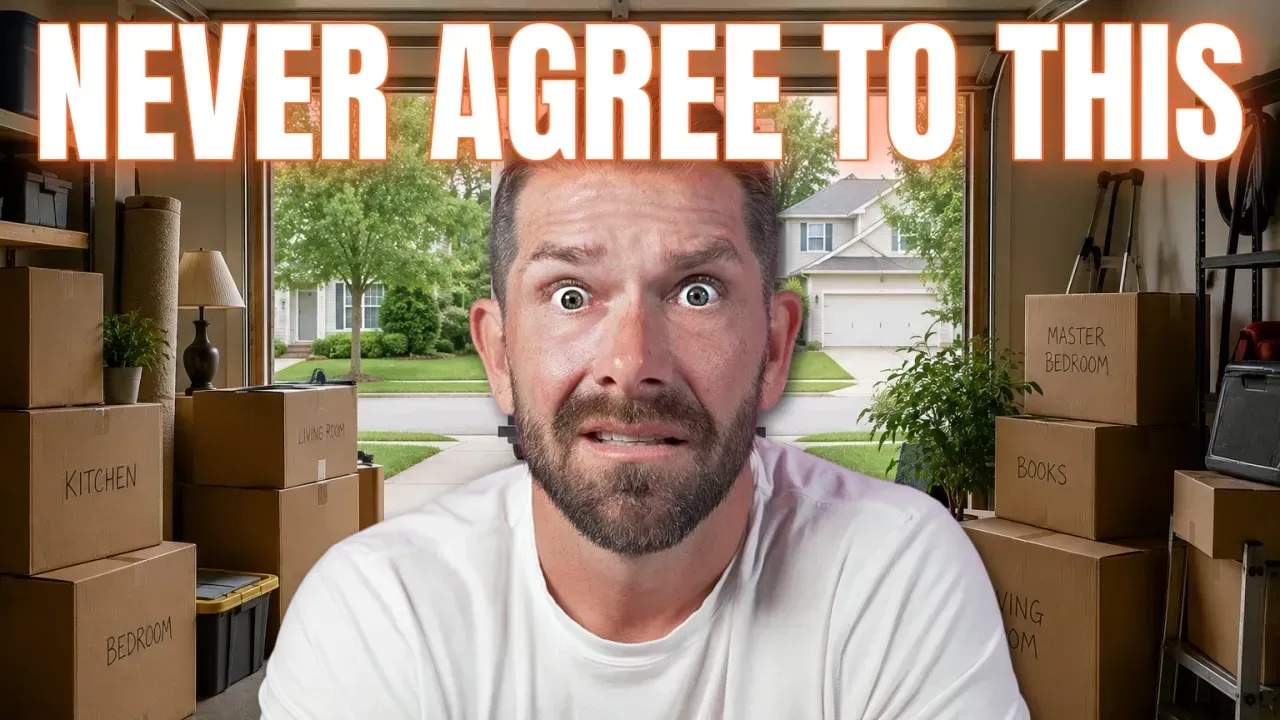
We all have it. You pick something up in the garage and think, I haven't used this in 10 years, but I might need it. Realistically, if you haven't touched something in five or ten years, how likely are you to suddenly need it, and if you did, could you just buy another one? I've seen garages so full that a $50,000 or $70,000 car sits outside taking sun and weather damage because the garage is packed with things nobody's touched in a decade and probably couldn't sell for a couple hundred dollars. Keep what's genuinely worth keeping, just be honest with yourself about why you're keeping it.
2. Your Adult Kids' Leftover Stuff
Kids move out, but somehow half their belongings don't move with them, boxes in the garage, things in closets, maybe their old bedroom is still full. Meanwhile they're 28 and living somewhere else, probably forgetting half of it exists. Call them, tell them exactly what you have, and give them a deadline to come get what they want. The alternative is calling them two weeks before listing to ask if they want their high school yearbooks, and either way you'll finally have an answer.
3. Things You're Convinced Are Worth Real Money
People remember what they paid for something, not what it's actually worth today. A $4,000 dining table might not fetch $400 on the resale market, and that's not a reflection of its quality, it's just how the used furniture and collectibles market actually works. I've watched sellers plan to sell everything and make real money off it, then spend weeks fielding lowball offers on Facebook Marketplace from people who message asking if something's still available, offer a dollar on an item listed for $200, or promise to show up Saturday morning and never do. At some point you have to decide what your time is actually worth. If something's genuinely valuable, sell it. Just don't burn a Saturday chasing $25 for something out of principle.
4. The Garage as a Dumping Ground
For whatever reason, the garage becomes where everything nobody knows what to do with ends up, for years, until there's no usable garage left. This matters at sale time because buyers are standing in that space trying to picture their own belongings in it. Use the garage as a staging area instead: move what you don't want out of the house into the garage, but keep it organized enough that buyers can actually walk through and see the real size of the space. A garage stacked floor to ceiling tells buyers nothing about how big it actually is.
5. Overstuffed Closets
If you have to fight to get a shirt off the hanger, it's time to sort through your clothes. Everyone has pieces they haven't worn in years but keep anyway, just in case. Since you'll eventually have to go through all of it before a move, there's no reason to wait. A packed closet also reads as smaller to a buyer; you want them seeing available space, not wondering where they'd put their own things.
6. Furniture That Won't Fit Your Next Home
This matters most if you're downsizing. If you're currently in a 3,000-square-foot home and heading toward 1,800 or 2,000 square feet, you already know not everything is making the move. Start deciding now what you'll actually use. That oversized dining table that made sense when everyone gathered at your house for holidays might only get used twice a year today if someone else hosts now. There's nothing wrong with keeping it if you want to, just decide on purpose instead of paying movers to haul something to the new house only to get rid of it anyway.
7. Old Paperwork
Everyone has boxes of it: old tax returns, bank statements, receipts, manuals for appliances that left the house back in 2007. Nobody wants to toss the box because something important might be buried inside. Talk to your CPA about what you actually need to keep, but you almost certainly don't need every piece of paper you've accumulated since the 1990s. Shred what needs shredding, scan what you genuinely need, and do it now rather than during a move.
8. Projects You're Never Actually Going to Finish
Nearly every house has one: furniture waiting to be refinished, a car waiting to be restored, supplies bought six years ago for a project that hasn't started. Ask yourself honestly whether you're actually going to do it. If the answer's yes, go do it. If you've said that for ten years without touching it, it's probably not happening. That's fine, just let it go to someone who'll actually use it instead of moving it to the next house to sit for another decade.
9. Things You're Saving for Your Kids
This is different from stuff your kids left behind, it's what you're holding onto because you're sure they'll want it someday: furniture, china, collectibles. They might not. I've seen people finally ask and get a simple, I'm good, thanks. That's okay, they may just not value it the way you do, and it's better to know now than to keep storing it on an assumption. On the flip side, there may be specific things they genuinely do want, which is exactly why it's worth asking rather than guessing.
10. What Someone Else Will Have to Sort Through
This might be the most important one, and it's something I see in real estate more than most people realize. I deal with families selling a home after a parent passes away more often than I'd like, sorting through 30 or 40 years of belongings while grieving, trying to figure out what's valuable, what gets donated, what gets thrown away, and who gets what. Sometimes two people want the same item, and sometimes nobody wants what a parent actually hoped they'd keep, which creates real friction between family members more often than you'd expect. If certain things matter to you, have that conversation now. You don't have to get rid of everything, just make sure the people who matter know what you'd want them to have, write it down if that helps, instead of leaving them to guess later during an already difficult time.
None of this means stripping your home down because you might sell someday, it means not waiting until you're under pressure to make these decisions, since selling a house is already stressful enough on its own: getting it ready, hosting showings, negotiating offers, handling inspections, packing, and figuring out where you're headed next. Start now, one closet, one cabinet, one corner of the garage at a time. And before spending money on repairs or updates you assume will help you sell, have a good agent walk the house with you first, since there's a real difference between money that comes back to you and money that just disappears.
Thinking about selling your home?
Let's talk through your situation and build a plan, whether that's working with me directly here in Huntington Beach and Orange County, or connecting you with a trusted agent in your area.
Get in touch →Frequently Asked Questions
When should I start decluttering before selling my house?
Ideally years before you actually list, not weeks before. Sorting through decades of belongings takes real time, and starting early means you're not making rushed decisions on top of repairs, staging, and photography right before your home goes on the market.
Should I try to sell my old furniture before moving?
Only if it's genuinely valuable. Many sellers overestimate what used furniture and collectibles are worth and end up spending significant time and energy on lowball offers through sites like Facebook Marketplace. It's often more efficient to donate low-value items and focus your selling effort only on pieces worth real money.
How should I use my garage when preparing to sell my house?
Treat it as a staging area rather than permanent storage. Move items you don't want in the house into the garage, but keep it organized enough that buyers can walk through and see how much usable space is actually there, since a garage packed floor to ceiling makes it hard for buyers to judge its real size.
What should I do with my adult children's belongings before selling my house?
Contact them directly, let them know what you're storing, and give them a specific deadline to collect what they want. This avoids a last-minute scramble close to listing and gives you a clear answer about what can be donated or discarded.
What should I do with sentimental items before selling my house?
Have conversations with family members now about who wants specific items, rather than leaving decisions for later. This is especially important for items with real sentimental value, since unclear wishes can create conflict among family members when a home is eventually sold, particularly after a loss.
Should I spend money on repairs or updates before selling my house?
Not without getting an experienced local agent's opinion first. Some updates genuinely help a sale, while others are money that won't come back to you, and it's better to have that conversation before spending than to find out afterward that a project didn't help.