When to Walk Away From a House: Red Flags to Watch
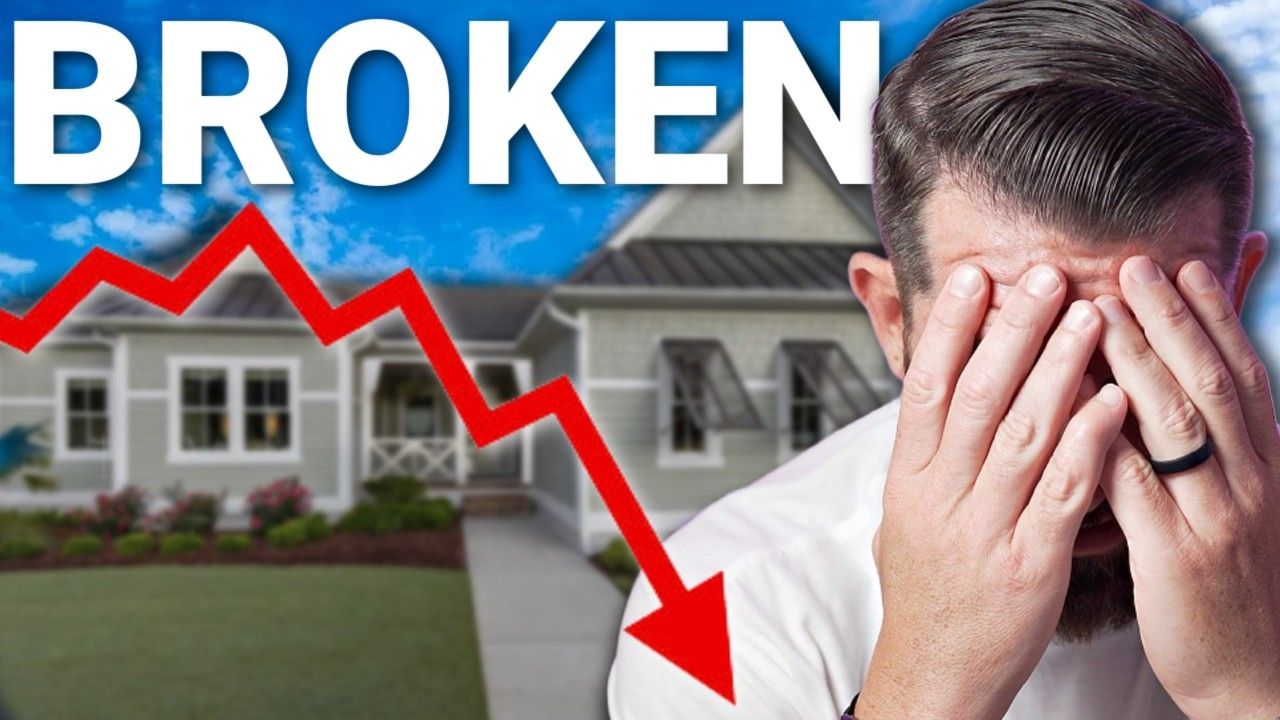
I don't tell buyers to walk away from houses very often. There's no such thing as a perfect house, and every home is going to need repairs and cost money over time. But every once in a while I have a completely different conversation with a client, and that's exactly what happened this week with buyers whose plumbing concern slowly turned into something much bigger. The question every buyer should ask before closing is simple: am I buying a home, or am I buying someone else's problems?
Every House Has Problems. Money Pits Have Patterns.
In 20-plus years and 450-plus homes sold, I don't get nervous because a house has an older water heater, a roof with five years left, or worn carpet. That's just home ownership. What concerns me is when multiple systems all start telling the same story at once: original plumbing, original electric, an HVAC system barely functioning, water stains in multiple rooms, drainage issues outside, foundation movement, and an aging roof, all showing up together. At that point you're not looking at one repair anymore. You're looking at years of expensive surprises.
How Buyers Talk Themselves Into It
Nobody intentionally buys a money pit. It happens slowly. You lose a couple of offers, finally get one accepted, and start picturing your furniture inside before inspections even happen. Then the inspector finds a plumbing concern, which leads to a recommended sewer scope, which finds pipe deterioration, then moisture damage, then mold, then structural concerns. Instead of stepping back and evaluating that objectively, buyers start negotiating against themselves: it's probably not that bad, we've already come this far, we've already spent money on inspections. People buy emotionally and justify logically, and the moment you fall in love with a house, logic takes a back seat.
Age Isn't the Red Flag. Neglect Is.
I don't want anyone watching this to think they should walk away from every older home. Some of my favorite properties are older homes with character. An old house that's been maintained doesn't scare me. A neglected one does, because neglect tells a story. If an owner ignored the plumbing, the roof, and the HVAC for twenty years, what else did they ignore that you haven't found yet? Hidden problems rarely travel alone: an inspection finds a plumbing issue, a plumber recommends a sewer scope, the scope finds deteriorating pipe under the slab, and replacing it uncovers moisture damage, then mold, then electrical that has to be relocated, and permits become necessary. A $3,000 repair becomes a $30,000 repair, and the issue was never really the plumbing. It was everything hiding behind it.
Watch How the Seller Responds
Sometimes the seller's response tells you more than the inspection report does. If they acknowledge the issue, provide documentation, and offer repairs or credits, that's one thing. If they dismiss obvious concerns, refuse additional inspections, or won't negotiate at all, pay attention, because sometimes the seller knows exactly what they're trying to pass along to the next owner.
Set Your Line Before Inspections Are Done
You need a line in the sand before inspections are complete: know exactly what you're willing to accept and what would make you walk. Once emotions get involved, that line starts moving. The seller won't fix it, so maybe you'll take a credit. The estimate doubles, so maybe you'll split the difference. Another issue appears, so maybe you'll handle that too. Before long you're accepting things you never intended to, and you're buying a completely different property than the one you thought you were purchasing.
Money Doesn't Eliminate Uncertainty
A seller credit sounds like a solution, but what if the actual repair costs twice what the credit covers? What if contractors find additional problems once they open things up, or permits are required, or the work takes months? Money helps, but it doesn't eliminate uncertainty, and sometimes uncertainty is the biggest expense of all. Imagine moving into your dream home only to have contractors there three weeks later, the kitchen unusable, days taken off work, and every weekend spent at the hardware store. Buying a house should improve your quality of life, not consume it. Stress and time have a cost that never shows up on an inspection report.
When I Tell a Client to Walk
My job isn't to sell houses. It's to help people make good decisions, and sometimes that means looking a client in the eye and telling them I think they should walk away. I'd rather lose a commission today than have someone call me two years from now wishing I had talked them out of it. There will always be another house. But once escrow closes, the problems become yours. Learn to tell the difference between a house that needs maintenance and one with a pattern, and you'll be in a much better position to build wealth instead of draining your savings account on it.
Buying or selling outside Huntington Beach or Orange County?
I can connect you with a vetted agent in your area so you work with someone who actually knows the local market.
Get connected with a local agent →Frequently Asked Questions
How do I know if a house is a money pit instead of just needing normal maintenance?
Watch for patterns, not single issues. One older system, like a roof with a few years left, is normal. Multiple major systems showing problems at the same time, such as original plumbing, aging electric, a failing HVAC system, and water stains in several rooms, points to years of expensive repairs rather than one manageable fix.
Should I walk away from an older home?
Not necessarily. Age by itself isn't the red flag; neglect is. A well-maintained older home can be a great purchase. A neglected one, where obvious maintenance was ignored for years, is the bigger risk, since it suggests other problems haven't surfaced yet.
What does it mean when a seller won't negotiate on repairs?
It can be a meaningful signal. A seller who acknowledges issues, provides documentation, and offers credits is working in good faith. One who dismisses obvious problems, refuses additional inspections, or won't negotiate at all may know more about the property's condition than they're saying.
Is a seller credit enough to cover repair costs after inspection?
Sometimes, but not always. A credit is based on an initial estimate, and actual repair costs can run higher once contractors open up walls or floors and find additional problems, or if permits are required. Treat the credit as a starting point, not a guarantee the total cost is covered.
When should I set my walk-away point in the home buying process?
Before your inspections are complete. Decide in advance what you're willing to accept and what would make you walk away. Once emotions get involved after you've fallen for a house, that line tends to move, and buyers end up accepting problems they never intended to take on.