Renovations to Avoid Before Selling Your House
After more than 20 years in real estate, I can say this with certainty: the closer you get to selling your home, the less money you should probably spend customizing it. That's the opposite of what HGTV, contractors, and well-meaning neighbors tell you, but buyers don't pay you back just because you spent money. Buyers don't want your dream house. They want their dream house, and the more personalized a renovation gets, the smaller your buyer pool becomes. One thing first: if you're staying another 7 to 15 years and these upgrades will improve your daily life, do them and enjoy them. This is strictly a list of renovations to avoid before selling for return on investment reasons.
The Kitchen and Bathroom Remodel Trap
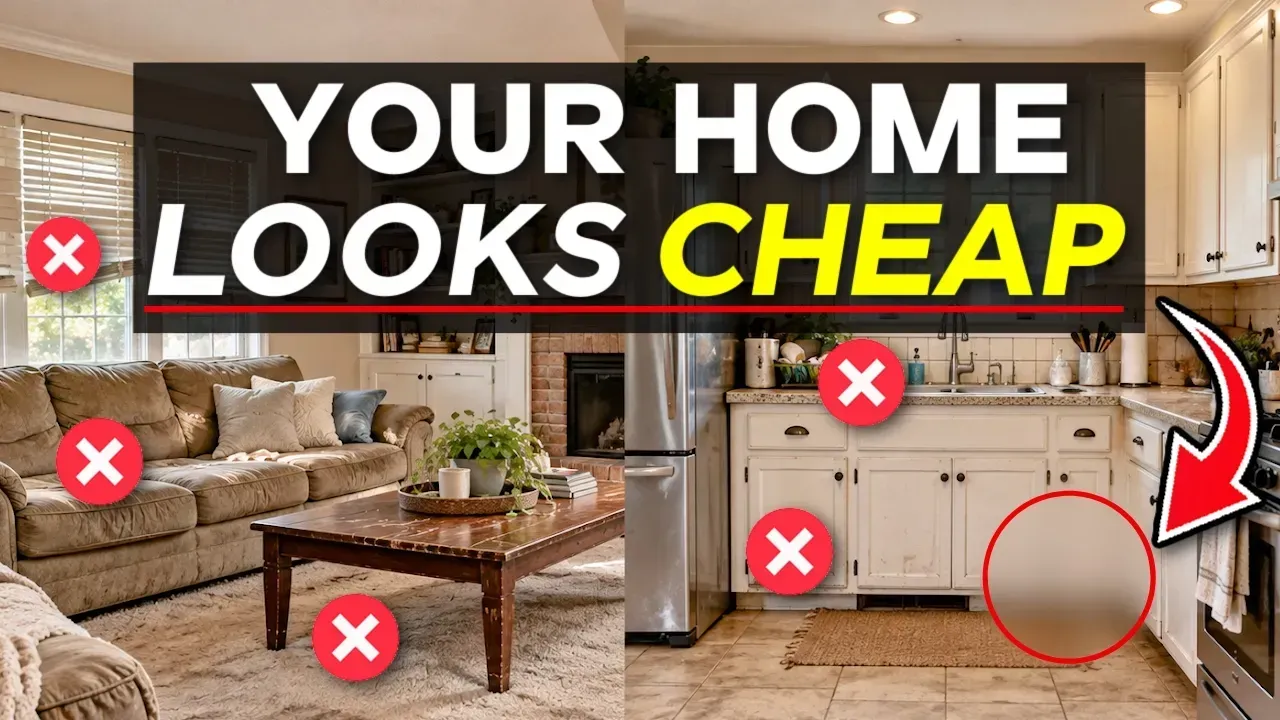
A complete kitchen remodel, new cabinets, countertops, appliances, flooring, sometimes moving a wall, can run $50,000 to $80,000, and most buyers won't value it the way you do. Buyers walk through and start mentally redesigning it: different cabinet color, different island size, different layout. Kitchens are deeply personal, and buyers factor a brand-new kitchen into the overall appeal of the home rather than paying a premium for it. If you're selling soon, freshen it up instead: paint the cabinets, replace hardware, update lighting, maybe replace dated countertops. The same logic applies to bathrooms: steam showers, freestanding tubs, and marble everywhere look incredible, but many buyers start thinking about maintenance instead of luxury. Fresh caulking, paint, mirrors, fixtures, and lighting move the needle more than turning a bathroom into a spa.
Pools and Outdoor Kitchens Divide Buyers
If you love your pool and use it every weekend, that's reason enough to have one. But don't build one expecting to get your money back at resale; some buyers love it, others with small children won't even consider the property. The same goes for elaborate outdoor kitchens: they look incredible in photos, but most people cook outside a handful of times a year, the appliances weather, and half of buyers see a permanent structure eating up patio space rather than a feature they wanted.
Converting the Garage or Bedrooms
Turning a garage into a bedroom, gym, or office looks like added value, but the first question a lot of buyers ask is whether it can be converted back, which means permits, cost, and work they have to do after closing. The same principle applies to converting bedrooms into giant closets or offices: bedrooms sell homes, custom closets don't, and flexibility matters more to most buyers than a highly personalized space.
Chasing Full Open Concept
Open concepts can work, but there's such a thing as too open, especially with more people working from home and needing separation from the rest of the household. Every buyer isn't looking for one giant room anymore. Many are looking for function and at least some separation between spaces.
Luxury Appliances and Elaborate Landscaping
Unless you're selling a true luxury home, buyers rarely pay significantly more because you installed $20,000 in professional-grade appliances; most are simply hoping everything works. The same goes for elaborate landscaping, fountains, retaining walls, exotic plants, and lighting packages. Buyers usually aren't looking for a weekend project; they want low-maintenance, simple, and clean.
Solar Leases and DIY Work
Avoid solar leases before selling if you can help it; buyers often walk away rather than assume someone else's contract, so if you're considering solar, understand exactly how it impacts the transaction. And be honest about DIY work. Buyers notice crooked tile, uneven flooring, bad trim, and poor electrical work, and the moment they spot it, they start wondering what else was done incorrectly, which makes it harder to fall in love with the house.
The Bottom Line
If you're remodeling because you'll enjoy your home for another decade, do whatever makes you happy; it's your house. But if you're remodeling because you think buyers will pay you back dollar for dollar, think twice, because buyers reward homes that are clean, functional, well-maintained, and easy to picture themselves living in far more than they reward expensive, highly personalized renovations. Talk to an experienced agent before making any major changes so you know where your money will actually be rewarded in your specific market.
Thinking about selling your home?
Let's talk through your situation and build a plan, whether that's working with me directly here in Huntington Beach and Orange County, or connecting you with a trusted agent in your area.
Get in touch →Frequently Asked Questions
Is a full kitchen remodel worth it before selling my house?
Usually not, if you're selling soon. Kitchens are highly personal, and buyers often mentally redesign an expensive new kitchen rather than paying a premium for your specific choices. Freshening up with paint, new hardware, and updated lighting typically returns more relative to what you spend.
Should I add a pool before selling my home?
Only if you plan to enjoy it for years first. Pools divide buyers rather than growing your buyer pool. Some buyers love them; others, especially those with small children, won't consider a home with one. The cost rarely comes back dollar for dollar at resale.
Does converting a garage into living space hurt resale value?
It can. Many buyers specifically want a garage, and converting it to a bedroom, gym, or office raises questions about permits and whether it can be converted back. It also tends to shrink your buyer pool rather than expand it.
Do luxury appliances add value when selling a house?
Usually only in true luxury homes. Outside that price point, buyers rarely pay significantly more because of high-end appliances; they mainly want to know everything works, which means the return on expensive appliance upgrades is often limited.
Why do buyers notice DIY renovation work?
Buyers pick up on crooked tile, uneven flooring, and poor-quality trim or electrical work quickly, and once they spot it, they start wondering what else was done incorrectly in places they can't see. That doubt can cost more in negotiation than the DIY project saved.