10 Things That Turn Off Home Buyers Instantly
If your home isn't selling, or you're getting showings but no offers, there's a good chance buyers are walking through and immediately finding reasons to cross it off their list. After living in a home for years, you stop noticing the little things. What feels normal to you can be a red flag to someone seeing your home for the first time. Most of these are inexpensive to fix, and some are free.
Curb Appeal Comes Before the Front Door
The first impression isn't your kitchen or your living room. It's what buyers see pulling up. I've had buyers tell me they don't even need to go inside because of overgrown grass, untrimmed bushes, peeling paint, or a stained driveway. That doesn't mean spending $20,000 on landscaping. Cut the lawn, trim the bushes, pressure wash the driveway, pull the weeds, replace a few dead plants near the entry. Small improvements change how buyers feel before they ever walk through the door.
Dirty, Not Just Outdated
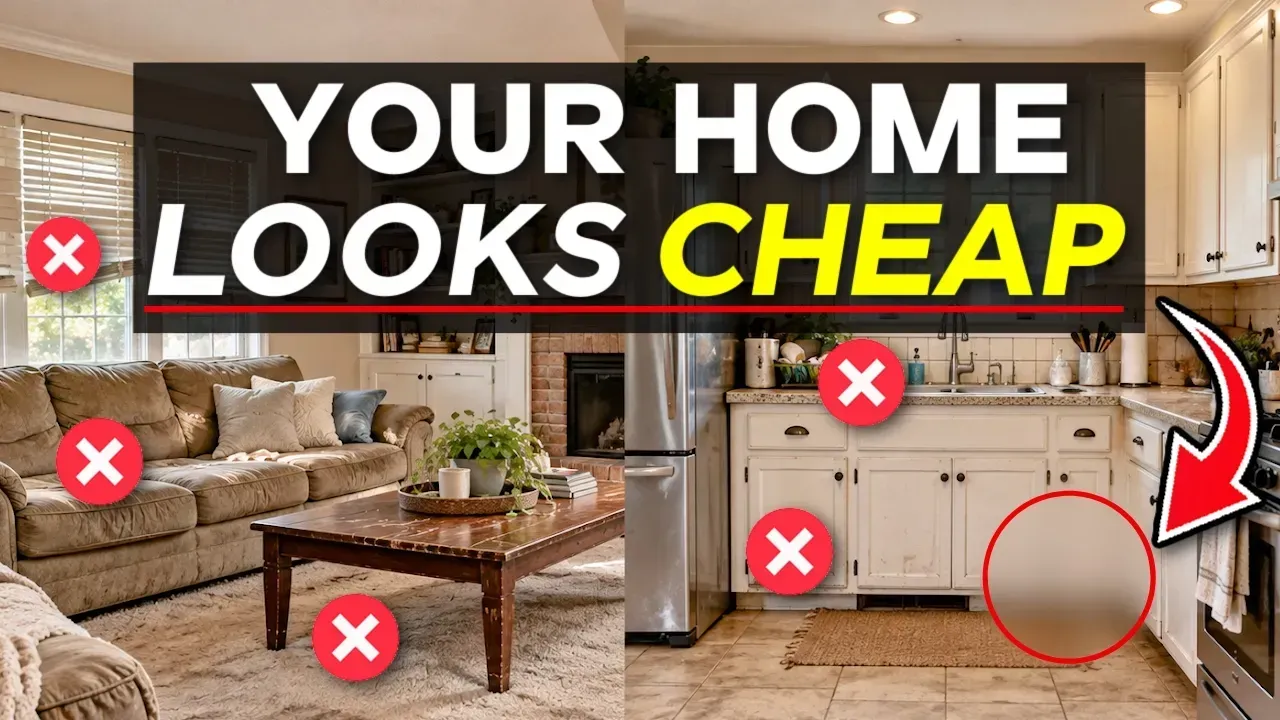
A home doesn't have to be new to sell for top dollar, but buyers expect it to be clean. Dirty bathrooms, grease on the stove, dust on the baseboards, cobwebs, overflowing trash. These make buyers ask themselves a question you never want them asking: if this is what I can see, what can't I see? Clean homes feel cared for; dirty homes create doubt. A professional cleaning before listing is one of the best-value investments you can make.
Clutter Makes Rooms Feel Smaller
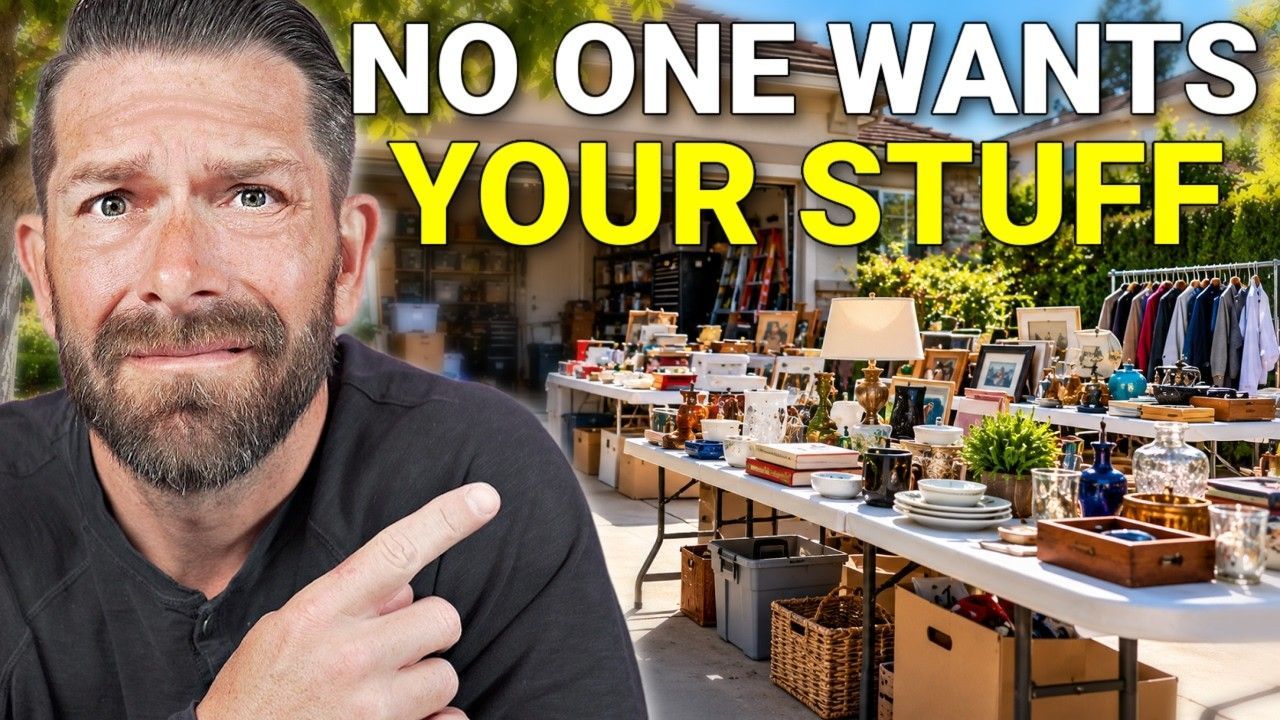
Every covered countertop, packed closet, and oversized piece of furniture makes buyers look at your stuff instead of the house. You want buyers imagining where their furniture goes, not wondering where yours is going. Pack early if you're taking it with you anyway; rent a storage unit if you need to. The more open a home feels, the larger it feels, and larger homes sell better than crowded ones.
Bad Odors and Pets During Showings
Most homeowners stop smelling their own home; buyers notice it immediately, whether it's smoke, pet odors, or a wall of plug-in air fresheners that just signals something's being covered up. Pets are a separate issue: not everyone loves animals, some are allergic, and a barking dog or a cat following buyers around is a distraction. If possible, have someone take pets out during showings.
Don't Spend Before You Talk to an Agent
One of the biggest mistakes sellers make is spending money before getting a professional opinion. I've seen sellers spend $10,000 to $15,000 fixing things buyers didn't care about while ignoring what actually mattered. A good agent should walk your home before it's listed and help you prioritize what needs attention and what doesn't, since every market and every neighborhood is different.
Paint, Lighting, and Deferred Maintenance
Bold personal paint colors distract buyers from the room itself; neutral colors make spaces feel larger and let buyers picture themselves living there. Lighting matters just as much: open the blinds, replace burnt-out bulbs, use matching daylight LED bulbs, and turn on every light for a showing. And don't ignore the small stuff, loose doorknobs, leaky faucets, cracked switch plates, running toilets. Buyers don't see small problems in isolation; they see a pattern, and they start assuming you ignored the expensive stuff too, like the roof or the HVAC.
Leave the House, and Watch the Cameras
Staying home during showings makes buyers uncomfortable. They whisper, skip closets, and don't speak honestly, even when the seller means well. Let your agent do the job, and if there are upgrades worth mentioning, put them on a feature sheet instead. The same goes for interior security cameras: buyers assume they're being recorded and become guarded, which shortens showings and weakens the emotional connection you want them to have with the house.
The Biggest Mistake: Trying to Figure It Out Alone
Buyers don't walk into your home hoping to find problems, but once they start finding distractions, it's hard to change their mind. Every market and every neighborhood is different, and some improvements are worth every penny while others are a waste of money. Meeting with a real estate professional before you start preparing your home for sale helps you prioritize what buyers in your specific market actually care about, and keeps you from spending money where you don't need to.
Thinking about selling your home?
Let's talk through your situation and build a plan, whether that's working with me directly here in Huntington Beach and Orange County, or connecting you with a trusted agent in your area.
Get in touch →Frequently Asked Questions
What turns buyers off the most when touring a home?
Curb appeal problems and cleanliness issues top the list. Overgrown landscaping and a stained driveway create doubt before buyers even walk in, and a dirty home, even one that isn't outdated, makes buyers wonder what else hasn't been maintained.
Should I be home during showings?
No. Buyers are more comfortable, more honest, and stay longer when the seller isn't present. Sellers who stay and narrate every upgrade often make buyers wonder what they're trying to hide, even when nothing is wrong.
Do I need to remove pets before a showing?
It's worth arranging if possible. Not every buyer likes or is comfortable around pets, and a barking dog or a cat following buyers around adds a distraction during a showing where your goal is to remove distractions, not add them.
Should I turn off my security cameras during showings?
It's generally a good idea, at least the interior ones. Buyers who know they might be recorded become guarded, whisper, and cut showings short, which works against the emotional connection you want them to build with the home.
What's the most cost-effective way to prepare a home for sale?
Cleaning, decluttering, fresh paint in neutral colors, and fixing small deferred maintenance items typically deliver the best return for the cost. Talk to a real estate agent before spending on anything bigger, since what matters varies by market.