Why There Are Two Housing Markets Right Now
Maybe your neighbor listed and sold in three days with multiple offers, while another house down the street has been sitting for two months with repeated price reductions. Is the housing market hot or slowing down? The answer is both, because we're no longer in one housing market. We're in two, happening at the same time, and understanding why matters if you're selling this year.
Markets Are Cyclical Every Single Year
After more than 20 years in real estate, one thing I know for certain: real estate has patterns every year, not just every few years. January starts slow as people settle back into work. Spring becomes the busiest buying and selling season as more listings and buyers show up. Then summer arrives, families travel, and buying a home moves down the priority list, so the market naturally slows. That's not a crash. It's the cycle doing what it normally does, and sellers who compare April's activity to July's are setting themselves up to be disappointed.
What's Actually Different Now
Beyond seasonality, today's buyers are dealing with something different than buyers were a few years ago: higher mortgage rates, higher insurance premiums, rising HOA dues, and more expensive maintenance, materials, and contractors. A buyer who has stretched to qualify for the mortgage payment has to ask whether they also want a home that immediately needs another $75,000 of work. Often the answer is no, not because buyers stopped liking projects, but because they're protecting themselves financially. It's not just about qualifying for the mortgage. It's about being able to comfortably own the home after moving in.
Why There Are Two Markets Running at Once
The real question isn't whether it's a buyer's market or a seller's market, because depending on the property, it's both. I have listings that sold the first weekend with multiple offers, and other good listings sitting 60 to 90 days with the same thing happening to nearly every comparable home nearby. One market rewards homes buyers perceive as strong value. The other punishes homes buyers see as carrying too much uncertainty. That's not a crash. It's selectivity, and buyers choosing carefully is actually healthy compared to the pandemic years, when buyers waived inspections and appraisals and offered hundreds of thousands over asking just to compete.
Why Updated Homes Are Winning
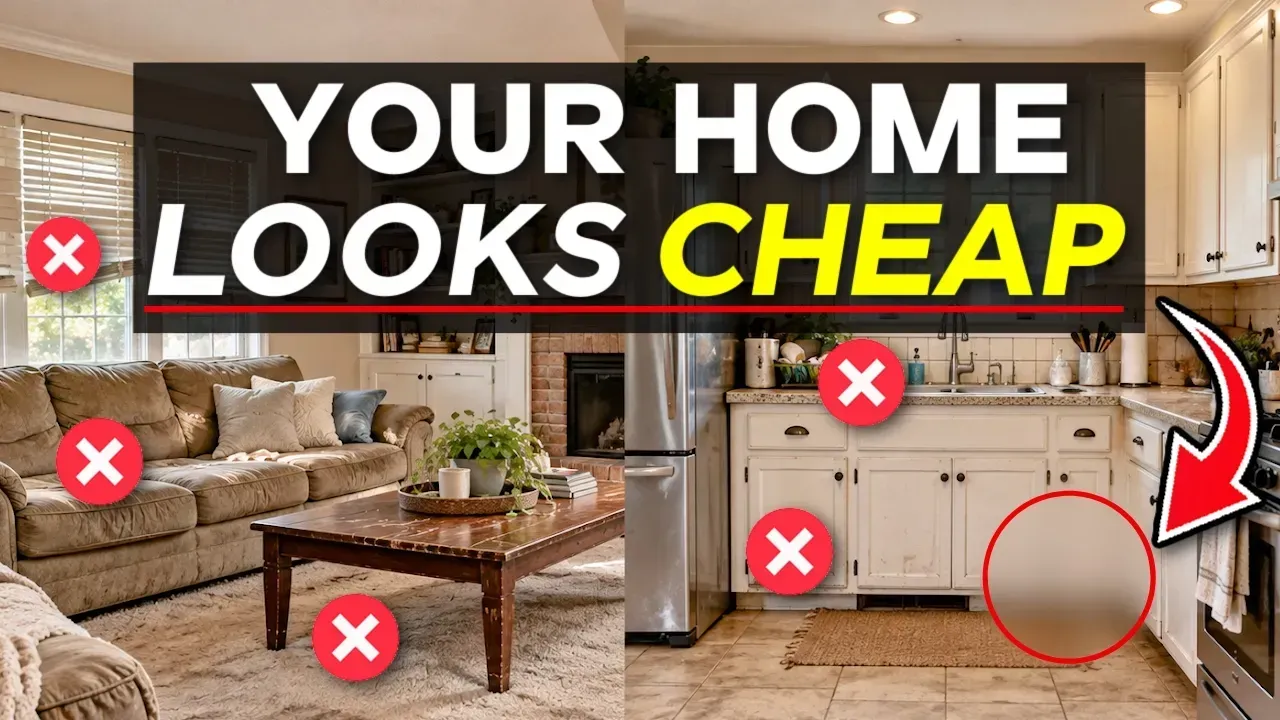
A lot of people assume buyers just want remodeled homes because who wouldn't. But the real driver isn't quartz countertops, it's cash. Buyers have stretched to save a down payment, watched rates roughly double from the pandemic era, and are already paying more every month. Walking into a house that needs a roof, flooring, kitchen, and bathroom work means finding another $50,000 to $100,000 that usually doesn't exist. I've watched two nearly identical homes sell, one updated and one perfectly livable but untouched for 20 years, and the updated one sold for more, by less than it would have cost to do the work themselves. Buyers are paying a premium for certainty and convenience, not just aesthetics.
Your Competition Isn't the Market, It's This Weekend's Showings
Buyers buy emotionally, then justify it logically, and that emotional decision happens in the first few minutes. If a buyer tours six homes on Saturday, they're comparing your home to those five, not to something that sold six months ago. That's why the better question isn't "is my house worth this price," it's "why would someone choose my house over every other house they're touring that weekend." When sellers start thinking that way, the strategy shifts from squeezing every dollar out of the asking price to creating genuine demand, because demand creates competition, and competition creates leverage.
The Insurance Factor Nobody's Talking About
Ten years ago, insurance was an afterthought in a home sale. Today it's becoming part of the buying decision. Insurers are asking how old the roof is, whether the electrical has been updated, what type of plumbing the home has, how old the HVAC system is, and whether the home has had previous claims or sits in an area prone to wildfire, flood, or wind. A buyer who gets a quote for $4,000 or $5,000 a year instead of $1,500 starts reconsidering the whole purchase, or looking at the home down the street with a newer roof instead. Buyers today aren't just buying your house. They're buying the full monthly payment: mortgage, taxes, insurance, HOA dues, and maintenance, and every dollar matters more than it used to.
What to Do If You're Selling
Stop comparing your home to what sold two years ago; that market doesn't exist anymore. Compare it to what's available today and ask honestly why a buyer would choose your home over the others they're touring. Be honest about your home's condition, address deferred maintenance, and don't assume you need a full remodel. And price your home where the market actually is, not where you wish it were, since the market determines value and your job is to position the home so buyers see real value in it. There are still tremendous opportunities to sell for top dollar. The difference now is that your home has to earn it.
Thinking about selling your home?
Let's talk through your situation and build a plan, whether that's working with me directly here in Huntington Beach and Orange County, or connecting you with a trusted agent in your area.
Get in touch →Frequently Asked Questions
Is it a buyer's market or a seller's market right now?
Depending on the specific property, it's both. Well-priced, well-maintained homes in strong locations are still selling quickly with multiple offers, while homes with deferred maintenance or weaker positioning sit for months. It comes down to two markets running at the same time rather than one national trend.
Why do updated homes sell for more than similar unrenovated homes?
Mostly because buyers are financially stretched and can't easily absorb a $50,000 to $100,000 renovation after closing. They're paying a premium for certainty and convenience, being able to move in and start living there immediately, rather than for the cosmetics alone.
How does homeowners insurance affect selling a house?
Insurers now closely evaluate the age of the roof, electrical, plumbing, and HVAC before writing a policy, and previous claims or wildfire/flood risk can raise premiums significantly or limit coverage. A high insurance quote can push a buyer to reconsider a purchase entirely, which makes it a factor sellers should understand before listing.
Why does the housing market slow down every summer?
It's a seasonal pattern that happens most years: spring is typically the busiest buying and selling season, and activity naturally slows in summer as families travel and prioritize other things. It's not automatically a sign of a market downturn.
What should sellers focus on to compete in a market like this?
Compare your home to what's currently available, not to what sold years ago. Address deferred maintenance honestly, present the home well, and price it where the market is today rather than where you wish it were, since your real competition is every other home buyers are touring that same weekend.