10 Things to Think Through Before Selling Your House
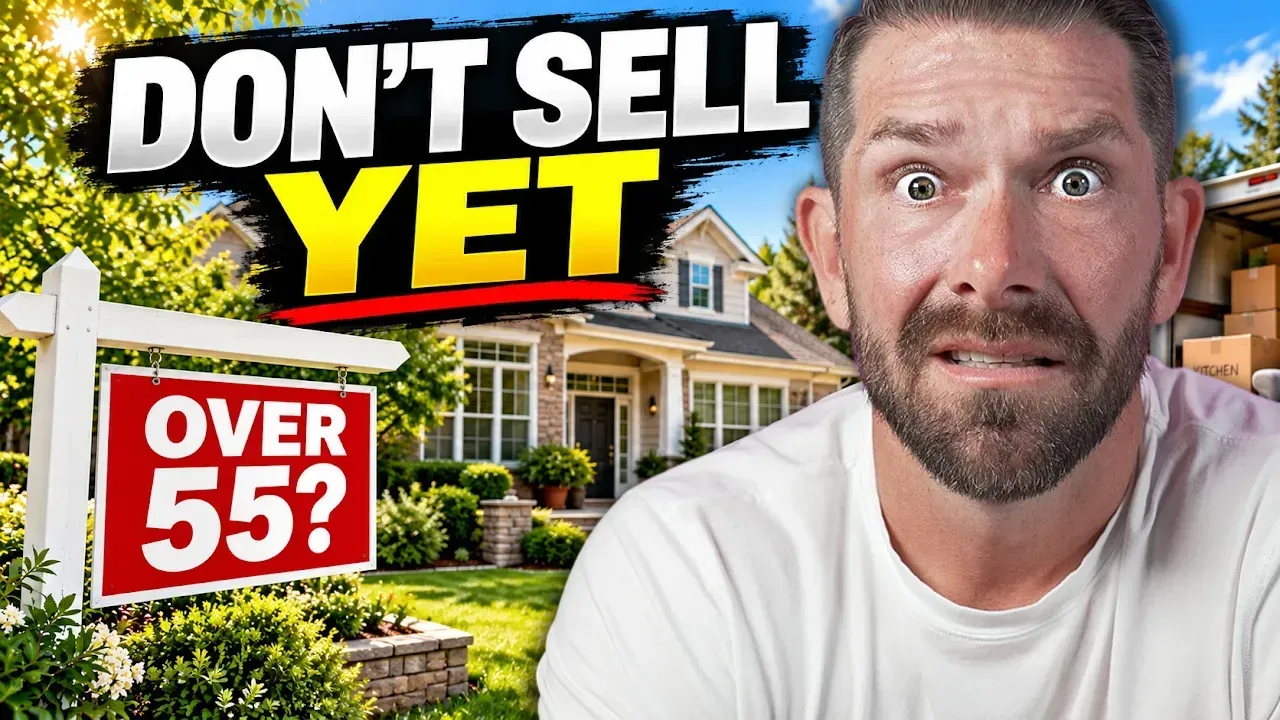
A seller recently left a comment on my channel: he'd listed his home, gotten two offers after two weeks, and decided he didn't want to sell anymore. His agent kept telling him any offer is a good offer and that he should take it. He asked whether he actually had to sell if he didn't want to. He wasn't really asking about the offer, he was asking whether he still had control over the decision, and the answer is yes. Selling a home means making decisions around price, terms, inspections, contracts, and marketing, and you're going to feel pressure at points to say yes simply because someone tells you that's what you're supposed to do. After more than 20 years selling real estate, here are 10 things I'd think twice about before agreeing to during a home sale.
1. You Don't Have to Accept an Offer Just Because You're Listed
If your home has been sitting, you're getting showings but no offers, and similar homes around you are selling, the market is telling you something and you should pay attention. But there's a difference between an agent giving you advice based on real information and simply being told to take an offer because it's there. Your agent should explain their reasoning: what are the comps saying, what's the showing feedback, what's happened with competing listings. If they can walk you through the numbers, listen to them, that's why you hired an expert. But a listing agreement doesn't mean you're obligated to accept whatever comes through the door. Contractual details around when a commission is considered earned vary by state and contract, so if you're genuinely unsure, read your agreement and consider speaking with a real estate attorney.
2. Understand How to Get Out of the Listing Agreement
Before you sign, everybody thinks about commission, price, and marketing plans. Fewer people ask: if I'm unhappy with your service, how do I cancel? A listing agreement is a contract, often for several months, and there's nothing wrong with an agent wanting enough time to properly market a home. But if two months in your calls aren't being returned and the marketing you agreed to isn't happening, what happens then? I let my sellers cancel because I want them working with me because they believe I'm the right person, not because they're trapped in a contract. Some reasonable reimbursement for actual marketing expenses if you cancel early is fair, but get the number, the cap, and the terms in writing before you sign anything.
3. Don't Give Your Agent Your Bottom Line Before There's an Offer
If you're listed at $875,000 and you tell your agent you'd probably take $800,000, you just put a number out there that didn't need to exist yet, before there was even an offer to negotiate against. Your agent does need to understand your real situation, a job relocation deadline, how much you need from the sale to buy your next home, whether timing matters more to you than price, since that's how they properly advise you. But that's different from naming a floor before you know what an offer actually looks like. An $810,000 cash offer with no contingencies and an $800,000 offer with terms that don't work for you are not the same thing, and price is only part of an offer.
4. Don't Agree to a Price Reduction Without Understanding Why
Price reductions aren't inherently bad, I've told plenty of sellers directly that they're overpriced. But the data should support the decision: how many showings have you had, what's the feedback, how many competing homes are out there, has anything comparable gone pending, how does your home show against the competition? If nobody's seeing the property, that might be exposure rather than price. If you're getting plenty of showings and no offers, it might be price, or it might be condition. Diagnose the actual problem before changing anything, and if price is the answer, have a strategy behind the cut: a new lead photo, refreshed marketing, better presentation. I've had listings where restaging and reshooting photos, not a price cut, is what actually got the home sold.
5. Think Twice About Co-Listing With Two Different Brokerages
It sounds appealing: two agents, two networks, twice the exposure. In practice, it creates confusion. Who's responsible for communication, marketing, negotiating, coordinating showings, following up with other agents? If something goes wrong, who's accountable? One person should own the process, even if others help behind the scenes. If you want to take care of a friend or family member who's an agent, referral fees exist for exactly that purpose, letting you hire who you believe is best equipped while still taking care of that relationship, without adding unnecessary complexity to an already complicated transaction.
6. Ask Who's Actually Holding Your Open House
If your agent can't make it, another agent often steps in, and that's normal. But ask who that person is: are they on your agent's team, with the same brokerage, someone your agent has worked with before, or someone who simply volunteered? You're allowing someone to spend hours alone in your home while strangers walk through it, and you deserve to know who that is. Open houses are also a chance for agents to meet buyers, which is fine, but their first responsibility while inside your home should be representing the listing and protecting the property.
7. Evaluate a Fast Offer on Its Strength, Not Its Deadline
Say you list Thursday, get a strong offer Friday afternoon that expires Saturday night, and your open house isn't until Sunday. I wouldn't automatically reject an offer because it has an expiration attached, and I also wouldn't accept it just because someone put a clock on it. Evaluate the actual offer: how strong is the price, what are the terms, how much activity have you had, are other agents indicating they're writing offers? Sometimes an early offer is strong enough that waiting makes no sense, take the win. Other times a buyer is trying to get you under contract before full market exposure, and if you cancel the open house and go pending, you may lose leverage if that buyer comes back later asking for a credit. Decide based on strategy, not fear of losing the offer.
8. Don't Automatically Accept Preprinted Contingency Timelines
Contracts come with default timelines for inspection, appraisal, and loan contingencies, in California those are commonly printed as 17 days, but that doesn't mean every default has to stay as written. Everything is negotiable. Look at how long each contingency runs and how quickly the buyer can realistically perform. Shorter timelines aren't about making a buyer's life difficult, they're about creating accountability and keeping the transaction moving. If there's a legitimate reason for a short extension, like a sewer inspection that couldn't happen until later in the week, that's a reasonable ask. What you don't want is unnecessary time built in where nobody's doing anything and the deal is just idling.
9. Understand the Added Risk of a Sight-Unseen Offer
Sight-unseen offers aren't automatically a bad sign, relocation and military buyers do this legitimately, sometimes with an agent walking the property live on video for them. But as a seller, understand the added risk: photos and video don't show everything, and a room can feel completely different in person. If a buyer gets under contract and is surprised three days later during their first walkthrough, you may end up with someone looking for a way out or a renegotiation. Ask what actually happened before accepting: did their agent walk the property, did they video call the buyer through it, does the buyer understand the condition? Depending on the situation, it may be worth asking the buyer to see the property in person before getting too far into the transaction.
10. Never Hand Over Keys Before the Transaction Closes
Closing gets delayed, the buyer's moving truck is already loaded, their lease ended, and everyone feels bad for them. I understand why early occupancy happens, but until a sale has actually closed according to your state's requirements, it's still your property. Loan funding issues, document problems, and other last-minute snags happen, and if the buyer is already living in your home when the deal falls through, you've turned a real estate transaction into a landlord-tenant situation. Early occupancy can make sense in specific cases, but only with a proper written agreement covering insurance, dates, money, and liability. Don't rely on a verbal understanding that closing will probably happen soon when someone is taking possession of one of your largest assets.
Don't confuse advice with obligation. A good agent gives you their honest opinion, sometimes news you don't want to hear, your price is too high, the offer is better than you think, a repair needs to get done. That's the job. But the decision, at every one of these points, is still yours to make.
Thinking about selling your home?
Let's talk through your situation and build a plan, whether that's working with me directly here in Huntington Beach and Orange County, or connecting you with a trusted agent in your area.
Get in touch →Frequently Asked Questions
Do I have to accept an offer once my house is listed?
No. Having your home listed doesn't obligate you to accept any offer that comes in. Your agent should explain the market data behind a recommendation, comparable sales, showing feedback, and competing listings, but the final decision on whether to accept is always yours, subject to whatever your specific listing agreement and state law say about earned commissions.
How do I cancel a listing agreement if I'm unhappy with my agent?
Ask about cancellation terms before you sign, not after. Listing agreements typically run for a set number of months, and some agents allow cancellation at any time while others require reimbursement for actual marketing expenses. Get the specific dollar amount or cap for any reimbursement in writing upfront.
Should I tell my agent the lowest price I'd accept for my house?
Not before there's an actual offer on the table. Your agent needs to understand your real situation, like a moving deadline or how much you need to net, but naming a bottom-line price before you know the terms of a real offer means negotiating against yourself unnecessarily, since price is only one part of what makes an offer strong.
How do I know if I should reduce my home's price?
Look at the data first: how many showings you've had, buyer feedback, how many competing homes are on the market, and whether anything comparable has gone pending. Low showing volume often points to exposure or presentation issues rather than price, while plenty of showings with no offers more often points to price or condition.
Is it safe to accept a sight-unseen offer on my house?
It can be, and relocation or military buyers do this legitimately, but it carries added risk since photos and video don't show everything a buyer would notice in person. Ask whether the buyer's agent walked the property or did a live video tour, and consider whether the buyer should see the home in person before the transaction goes too far.
Can I let a buyer move in before the sale officially closes?
It's risky and should be avoided in most cases. Until a sale legally closes, the home is still yours, and last-minute financing or documentation issues can derail a closing. If early occupancy is unavoidable, it should be covered by a written agreement addressing insurance, dates, money, and liability, not just a verbal understanding that closing will probably happen soon.