10 Home Upgrades That Can Hurt Your Resale Value
If you've owned your home for any length of time, you've probably thought about upgrades: solar panels, an open floor plan, an addition for a growing family. None of these ideas are bad on their own. The problem is that homeowners start believing every improvement automatically adds value, and after more than 20 years helping people buy and sell homes, I can tell you that's simply not how real estate works. Some of the most expensive upgrades I see end up creating problems at resale: they limit the number of interested buyers, complicate financing, or cost far more than they'll ever return. If you're planning to live in your home for another 10 or 15 years, make the upgrades that make your life better. But if selling is on the horizon, whether next year or five years out, these are the ones worth thinking through first, because every one of them has the same thing in common: it can shrink your buyer pool.
1. Financed or Leased Solar Panels
Solar can be a smart financial decision if you're staying put, but homeowners get into trouble treating it as a resale investment instead of a lifestyle one. The panels themselves are rarely the issue, the agreement attached to them is. Whether the system is owned, financed, leased, or under a power purchase agreement changes the transaction completely. I've been involved in multiple deals where solar became the biggest sticking point in escrow, buyers with questions about whether they could assume the lease, how the payment affects their debt-to-income ratio, or what happens if the roof needs replacing. I've seen sellers end up paying off the lease just to keep the deal together. Before signing any solar agreement, ask whether it would make a future sale easier or harder. If you don't know the answer, find out before you sign.
2. Overbuilding Your Lot
Expanding the kitchen, adding a second story, or building an ADU can make sense, but homeowners often forget buyers are purchasing the lot, too. I've walked through beautifully finished additions with excellent craftsmanship and high-end finishes where there was barely any backyard left, and instead of buyers being impressed by the extra square footage, they were asking where the kids would play or where the dog would go. I've even seen homeowners build right up to the property lines to gain a few extra hundred square feet; on paper the home got larger, but it felt smaller, and buyers notice that immediately. Outdoor space has real value, especially in recent years as people have come to appreciate a usable yard. Before adding on, walk outside and ask what you're giving up in exchange for the extra room, since sometimes preserving the backyard is the better investment.
3. Removing Functional Features
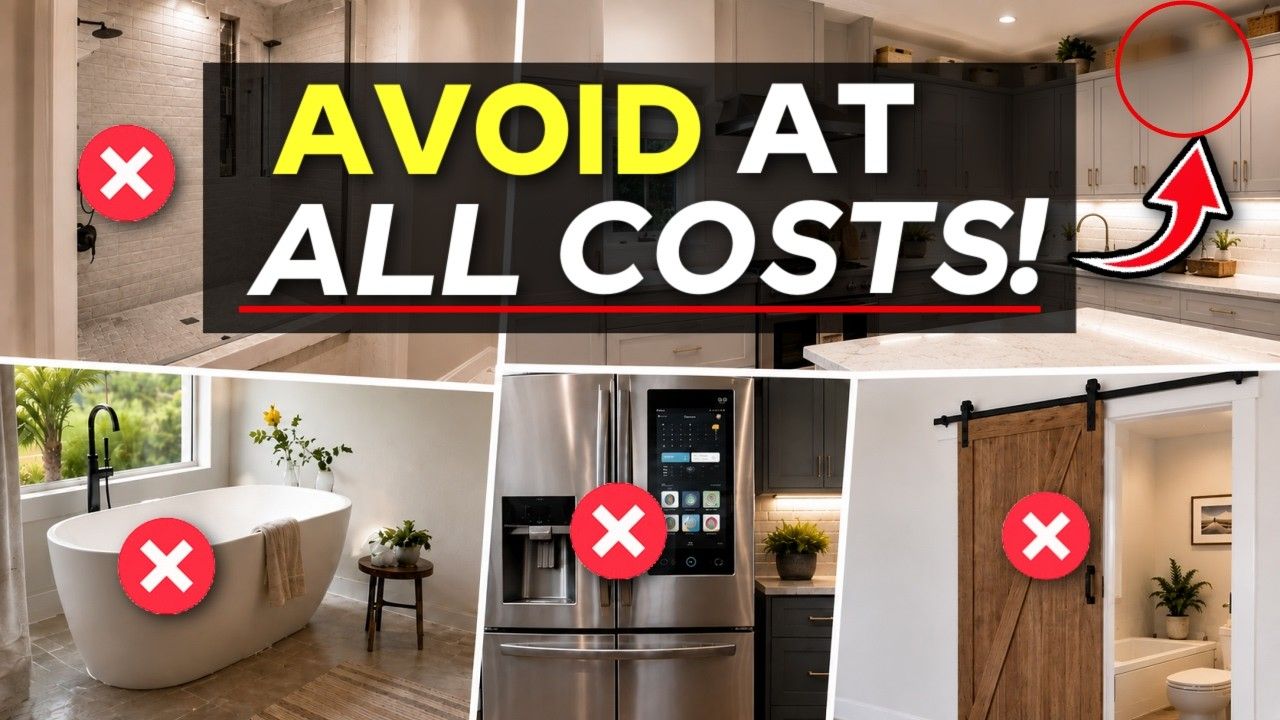
Oversized walk-in showers and minimalist primary suites look fantastic, but homeowners sometimes get so focused on aesthetics that they forget functionality. Removing the only bathtub in the house is a common example, something I've experienced directly: we bought a home where every bathtub had been removed, and with young kids, it's something we've talked about changing ever since. The same goes for removing pantry space, linen closets, or built-in storage to make a room feel more open. You almost never hear a buyer say a home has too much storage, so before removing something practical because it isn't trendy, ask whether you're making the home work better or just making it look better.
4. Converting the Garage
A garage converted into a game room, home gym, or office gains usable space, but it also takes something away. For a lot of buyers, the garage is where they store holiday decorations, tools, and bikes, or where they charge an electric vehicle, and in some neighborhoods covered parking matters a great deal. I've had buyers love everything about a remodeled home, then open the garage door, realize there isn't one, and immediately start asking where they'll store everything instead of talking about the kitchen. If the conversion wasn't permitted, an appraiser may not even recognize it as living space, meaning you spent real money creating a room that isn't valued the way you'd expect.
5. Reducing the Bedroom Count
Combining two bedrooms into a massive primary suite or turning one into an oversized closet feels great to live with, but buyers shop differently than homeowners live. Bedroom count is one of the first filters buyers use in an online search, so turning a four-bedroom home into a three-bedroom home instantly eliminates everyone searching for four bedrooms. There are exceptions in luxury neighborhoods where every buyer expects an oversized primary suite, but for the average home, removing a bedroom usually costs more buyers than it gains. Function tends to beat luxury here.
6. Luxury Finishes That Outprice the Neighborhood
Custom cabinetry, professional-grade appliances, and imported stone can make a home look incredible, but neighborhoods establish a value range that buyers won't pay significantly above no matter how nice the finishes are. I've seen homeowners spend $200,000 on a remodel and recover only a portion of it, not because the work wasn't beautiful, but because buyers had comparable homes nearby selling for far less. If similar homes are selling around $900,000, it's difficult to convince a buyer yours is worth $1.2 million on finishes alone. Before a major remodel, talk with an agent who knows your local market about what buyers are actually paying for.
7. Adding a Pool
Whether a pool adds value depends entirely on your market. In places where pools are common, some buyers want one and others don't; in a market with only a few warm months a year, that calculus changes further. Don't assume a $100,000 pool means your home is worth $100,000 more. Some buyers see a place to entertain, others see maintenance, insurance, safety concerns, and water usage. If you're installing a pool for your family to enjoy, great; if you're installing it purely for resale value, talk to a local agent first, since in some markets it helps and in others it narrows your buyer pool.
8. Overspending on Landscaping
Curb appeal genuinely matters, and fresh mulch, trimmed bushes, and healthy grass make a strong first impression. Where homeowners get into trouble is confusing curb appeal with expensive landscaping, elaborate water features, custom lighting, exotic plants, and outdoor kitchens that cost tens of thousands of dollars. Buyers often appreciate these without paying extra for them, and I've had buyers walk through incredible landscaping and ask who's going to maintain all of it instead of seeing luxury. Focus on clean, well-maintained landscaping rather than trying to build the nicest yard in the neighborhood.
9. Removing Too Many Walls
Open concept was one of the hottest remodeling trends for years, and in many homes it still makes sense. But trends change, and I've had buyers tell me they wished a home had more separation between spaces, not because they dislike open floor plans, but because they want options, a quiet office, a separate dining room, a place to watch TV without hearing everything happening in the kitchen. If removing one wall creates a better layout, that's one thing. If removing every wall eliminates the flexibility buyers are looking for, that's another.
10. Phantom Square Footage
This might be the most expensive mistake on the list. Enclosing a patio, converting part of a garage, finishing a bonus room, or adding onto the home without pulling permits means you've been using that space as living area for years, but buyers, appraisers, and lenders don't see it that way. Just because you've been living in a space as usable square footage doesn't mean it's going to be valued that way. If the county doesn't recognize the space or the appraiser can't include it, you may not receive the value you expect, and it can create financing issues that delay or derail a sale altogether. Before starting any project like this, talk with your city about permitting requirements so future buyers, appraisers, and lenders will recognize the work rather than treating it as if it doesn't exist.
None of these upgrades are automatically bad, and some might be exactly the right move for your family. The mistake is assuming every dollar spent remodeling automatically translates into higher resale value. Buyers decide what's valuable, not homeowners, and the homes that sell fastest and for the most money usually have one thing in common: they appeal to the widest audience. Before your next project, ask whether it will make your home appeal to more buyers or fewer. If you're not sure, that's the right time to talk with a local real estate professional before spending the money.
Thinking about selling your home?
Let's talk through your situation and build a plan, whether that's working with me directly here in Huntington Beach and Orange County, or connecting you with a trusted agent in your area.
Get in touch →Frequently Asked Questions
Do home upgrades always increase resale value?
No. Buyers, not homeowners, decide what's valuable, and upgrades that shrink the pool of interested buyers, like removing a bedroom or overbuilding a lot, can hurt resale value even when the work itself is high quality. The safest upgrades are the ones that appeal to the widest range of buyers.
Do solar panels help or hurt when selling a house?
It depends on the agreement. Owned systems are generally straightforward, but leased or financed solar can become a major sticking point in escrow if buyers have questions about assuming the lease, how it affects their debt-to-income ratio, or what happens if the roof needs replacing. Confirm how the agreement would affect a future sale before signing.
Should I convert my garage into a bedroom or office before selling?
Think carefully first. A garage conversion gains living space but removes covered parking and storage that many buyers value, and if it wasn't permitted, an appraiser may not count it as living space at all, meaning you may not recover the cost when you sell.
Does removing a bedroom to make a bigger primary suite hurt resale value?
Often, yes. Bedroom count is one of the first filters buyers use when searching online, so turning a four-bedroom home into a three-bedroom home eliminates every buyer specifically searching for four bedrooms, which can outweigh the appeal of a larger suite for the average home.
Will an unpermitted addition affect my home's appraised value?
It can. If a converted garage, enclosed patio, or finished bonus room wasn't permitted, the county or appraiser may not recognize it as legitimate living space, which means you may not receive the value you expect and it can create financing issues that delay or derail the sale.
Does adding a pool increase home value?
It depends heavily on the local market and climate. In areas where pools are common and desirable, they can help; in markets with limited warm weather or where buyers weigh maintenance and safety concerns heavily, a pool can actually narrow your buyer pool rather than add value.