5 Red Flags When Buying a House: Walk or Negotiate?
Stop looking at the kitchen. New countertops, new cabinets, nice appliances are the fun part, but the kitchen usually isn't what's going to cost you the most money. When I'm walking a house with a buyer, I'm looking at completely different things: water, cracks, the roof, the HVAC, the electrical panel, the plumbing, the water heater, and where the house actually sits. A house can look absolutely beautiful and still be a terrible purchase, and after more than 20 years selling real estate, I've watched buyers fall in love with what a house looks like before they understand what they're actually buying. Here are the five red flags I look for on every walkthrough, and more importantly, whether each one means walk away or just means negotiate, because those are two very different things.
1. Structural Movement and Cracks
When I'm walking an older house, I'm paying attention to how it feels: the walls, the doors, the windows, the floors. A house will sometimes tell you something is wrong before you ever get an inspection. One small crack in the drywall isn't a reason to panic; houses move, and drywall cracks, sometimes even in the ceiling. What gets my attention is cracks running diagonally off doors or windows, multiple cracks in multiple areas, doors that won't close correctly, or floors that feel like they're sloping. One of these by itself is probably nothing. Three or four of them together, and I'm asking questions, because a door that won't close might mean somebody hung it wrong, or it might mean the opening isn't square anymore.
Your job isn't to diagnose the cause; you're not a structural engineer, and neither am I. Your job is to notice that something doesn't look right and get the right person involved. So do you walk or negotiate? Unknown structural movement, where the seller can't explain it, has no documentation, and doesn't want it investigated further, is a walk for me. There's always another house. But if the foundation was repaired five years ago with documentation, a warranty, and a structural engineer confirms everything checks out, that's a completely different conversation, and that once-scary issue can actually become leverage. A problem doesn't automatically make a house a bad buy; sometimes it just means you shouldn't pay the seller's asking price.
2. Water and Drainage
Water scares me almost as much as structural problems, because it can create a ridiculous amount of damage before you know the extent of it. Outside, I'm looking at drainage: does the ground slope toward the house, do the gutters dump water right next to the foundation, is water pooling anywhere. Inside, I'm looking underneath sinks, around toilets, around the water heater, at ceilings, and underneath bathrooms, and I'm smelling the house. A musty smell in a closet or basement isn't something to ignore. I'm also watching for random fresh paint: if the whole house was painted, fine, but one freshly painted section of ceiling in an otherwise older house makes me start asking why.
Do you walk or negotiate? Active water intrusion with no known source is a walk. A known leak that's been repaired, documented, and inspected is probably a negotiate, where the first move is getting an estimate, figuring out the cost of cure, and negotiating accordingly.
3. Aging Major Systems
This is where I see buyers make the biggest mistake. They walk in and say the kitchen is dated, easy fix, then walk outside where the roof looks 30 years old, the air conditioner looks decades old, and the water heater is ancient, and nobody notices because none of that shows up in listing photos. Those are the checks you'll actually have to write. Start with the roof: how old is it, what condition is it in, has it leaked, does it have another five or ten years left. Same with the HVAC, and the water heater, and the electrical panel, checking the type and whether it's been updated. Depending on the age of the house, the plumbing gets the same scrutiny.
Old doesn't automatically mean bad, and that's where buyers get sideways. A 15-year-old HVAC system doesn't mean don't buy the house, it means understand what you're buying and account for it financially if the roof, HVAC, and water heater are all nearing the end of their useful life. For me, this is usually a negotiate, and I actually like these problems better than most because they're quantifiable. A roof that needs replacing gets a bid. An HVAC that needs replacing gets a bid. Now you have numbers, and numbers make negotiating a lot easier. I've negotiated tens of thousands of dollars off a purchase after an inspection because we could document exactly what needed to get done. Don't walk away from a good house just because it needs a roof; figure out what the roof actually costs and make sure you're not paying for one that doesn't exist.
4. Cosmetic Flips That Skip the Systems
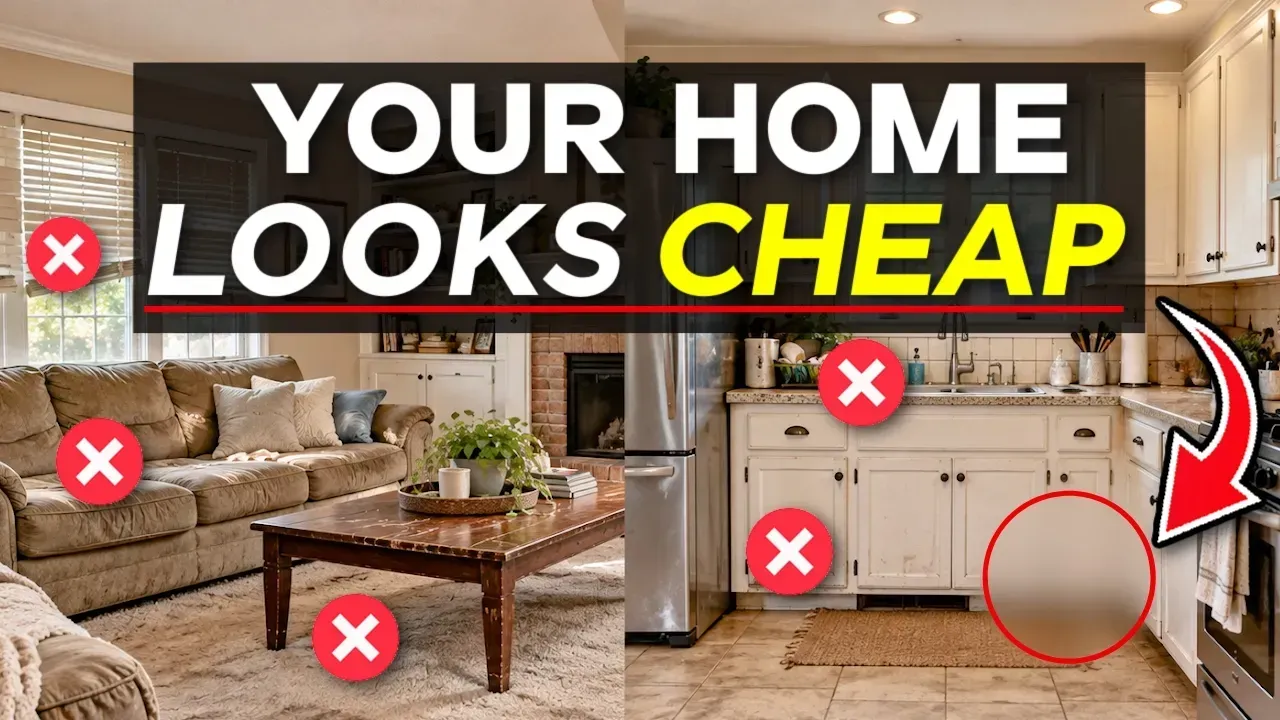
Not every flipped house is a problem; I've sold flipped houses and worked with investors who do genuinely good work. The kind that worries me is the one where somebody buys a house, throws down LVP flooring, paints everything white, installs inexpensive cabinets and a few trendy light fixtures, then wants $150,000 more for it. In that case, stop looking at what they changed and start looking at what they didn't: the age of the roof, the HVAC, the electrical, the plumbing, and whether permits were actually pulled. Did they fix the house or just make it photograph well, because those are two very different things. I've dealt with this personally on a transaction: a beautiful flip that looked great, until the inspection uncovered legitimate issues hiding underneath the pretty finishes, which is exactly why you don't waive inspections just because something looks remodeled.
Do you walk or negotiate? If the seller can't tell you what was actually done, there are no permits or documentation, and the inspection starts uncovering major issues, that's a walk. If the work was done correctly, the major systems check out, and the inspection comes back clean, I'm completely fine buying a flip. You're not scared of the label, you're evaluating the actual house.
5. Location You Can't Change
This might be the most important red flag of all, because everything above this point can potentially be fixed. You can replace a roof, replace an air conditioner, repair plumbing, remodel an ugly kitchen. What you can't do is move the house. If it backs to a freeway, it will always back to a freeway. If it's under power lines, those aren't moving because you bought the house. If you're next to a commercial property, a school, or a busy intersection, you need to understand how that affects both your day-to-day enjoyment and resale, because eventually you're probably going to become the seller, and whatever you're willing to overlook today is something the next buyer will use against you later.
Location goes beyond the lot itself. Drive the neighborhood at night and on the weekend. If you're buying near a school, go when school lets out. If you're near a busy road, go during rush hour. Don't judge a neighborhood only by the quiet Tuesday afternoon your showing happened to land on. Do you walk or negotiate? A permanent location issue that bothers you today is probably a walk, since it'll still bother you five years from now, and that's a factor worth weighing the same way you would in any of the other situations where walking away from a house is the right call. But if you like the location and the issue is really an external factor that makes the property less desirable to the broader market, that's a negotiate, since the house next to the busy road shouldn't cost the same as the one three streets over without it.
Red Flags Are Information, Not Verdicts
Red flags aren't automatically dealbreakers. They're information, and information gives you options: investigate, negotiate, or walk away. Buyers get into trouble when emotion takes over, either seeing one problem and walking away from what could have been a great property, or falling in love with a house and ignoring everything because they can already picture where the couch goes. Neither approach serves you. Find the problem, understand the problem, put a number on the problem, then decide whether it makes sense to move forward. None of this replaces an actual home inspection or the right professionals; the goal isn't to turn you into a home inspector, it's to make you a sharper buyer who knows which questions to ask and when to dig deeper.
Frequently Asked Questions
What are the biggest red flags when buying a house?
Structural cracks or movement, water intrusion or drainage issues, aging major systems like the roof and HVAC, cosmetic flips that skip permits and system updates, and permanent location issues like backing to a freeway or busy road. Cosmetic issues like a dated kitchen matter far less than these.
Should I walk away from a house with foundation cracks?
Not automatically. One small crack in the drywall is normal house movement. Multiple diagonal cracks, doors that won't close, or sloping floors are worth investigating further, and whether to walk depends on whether the seller has documentation of a repair with a warranty and structural engineer sign-off, or no explanation at all.
Is it safe to buy a house with an old roof or HVAC system?
Often yes, as long as you account for the cost. Aging major systems are usually a negotiating point rather than a reason to walk away, since you can get a contractor bid and negotiate a credit or price reduction based on real numbers rather than assumptions.
What should I look for when buying a flipped house?
Look past the cosmetic updates like flooring, paint, and light fixtures, and ask about the age of the roof, HVAC, electrical, and plumbing, plus whether permits were pulled for the work. A clean inspection with documented, permitted work is a good sign; no documentation combined with inspection findings is a reason for caution.
Can a bad location ruin an otherwise good house?
It can, and it's the one issue on this list that can't be fixed later. A house backing to a freeway, sitting under power lines, or next to a busy intersection will always have that issue, so it's worth deciding upfront whether you can live with it or whether you should only buy it at a lower price than a comparable home without that drawback.
How do I know whether to negotiate or walk away after finding a problem?
Ask whether the issue is documented and quantifiable, or unknown and open-ended. A repaired, warrantied, and inspected issue usually supports a negotiation with real numbers behind it. An undocumented or active problem the seller can't explain, especially involving structure or water, is more often a reason to walk.