How to Spot a Great House in 60 Seconds
After more than 20 years selling real estate and walking through thousands of homes, I've noticed most buyers walk in and instantly focus on the wrong things: paint colors, staging, the trendy kitchen, whether it looks good on Instagram. Meanwhile they ignore the things that actually determine whether a house is a smart purchase or a future money pit. Knowing how to spot a great house comes down to slowing down and looking past the cosmetics, because buyers buy emotionally and justify logically, and once emotion takes over, people stop paying attention to what actually matters.
Before You Even Get Out of the Car
I'm evaluating a house before I even park, because you can change almost everything about a home except where it's located. You can remodel the kitchen, replace the flooring, renovate the bathrooms, but you can't move the property. Most of the regrets buyers have six months after closing have very little to do with the house itself: realizing it backs to a busy street, that the neighborhood feels different at night than it did during a daytime showing, or that the commute is worse than expected.
Read the Neighborhood First
I'm paying attention to pride of ownership across the block: are yards maintained, do properties look cared for. That doesn't mean the neighborhood has to be expensive; some of the best neighborhoods are older ones where people have simply maintained their homes well over time. Pride of ownership tells you people care about where they live, and those neighborhoods tend to hold value better over the long run. I also notice street parking, since cars lined up everywhere in the middle of the day can point to multigenerational living or more people occupying homes than usual, and noise, since buyers often convince themselves during a showing that traffic isn't that bad, then hear it every day for six months and change their mind. If you can, visit a property more than once, including during rush hour, at night, and on the weekend, since a home feels different depending on the time of day.
School Districts Still Matter, Even Without Kids
Every property eventually becomes a resale, and homes in desirable school districts tend to see stronger long-term demand, which means even buyers without children benefit from that when it's time to sell.
Once You're Inside, Don't Let Cosmetics Fool You
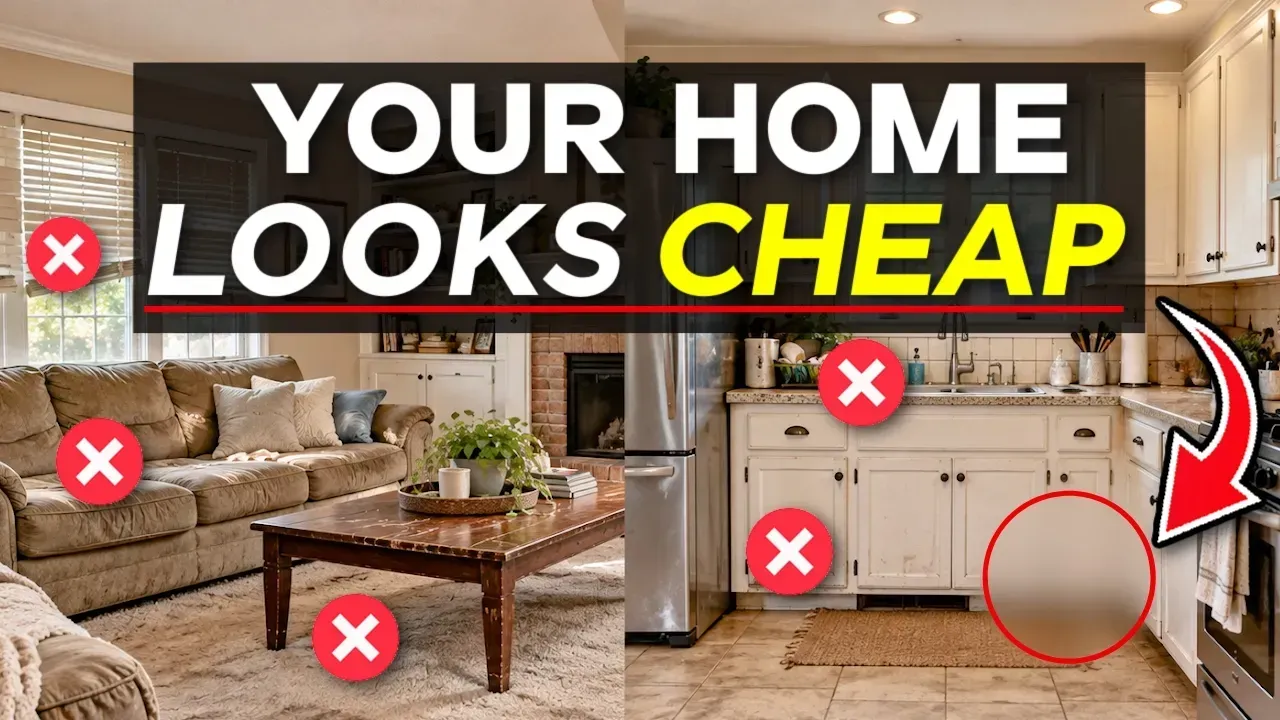
This is where buyers get into trouble, because emotion takes over the moment they see nice countertops or trendy flooring. Most cosmetic elements can be changed over time: paint, flooring, light fixtures, cabinets. What actually destroys people financially is a home with major underlying issues they didn't recognize because they were too focused on the cosmetic side. I'd rather buy an outdated home with good bones than a beautifully remodeled house with major underlying issues, because ugly is fixable and bad fundamentals are expensive. Some flippers are very good at making a home look beautiful while doing the bare minimum behind the walls.
The Systems That Actually Matter
When I walk a property, I spend most of my attention on the systems that get expensive after closing. The roof first, since replacing one can easily run tens of thousands of dollars, and I'm looking for curling shingles, visible repairs, sagging, or a roofline that isn't straight. The HVAC system next: does the home cool evenly, are certain rooms noticeably hotter or colder, are there odd smells or noises when it kicks on. Water concerns me more than almost anything else, because it can damage a property over time without being obvious, so I look for leaks, water stains, soft spots, and low water pressure. On electrical, I'm checking whether the panel looks amateur or patched together and whether lights flicker. And the water heater, checking age and signs of rust or leaking. None of these are a full inspection, but after years of walking through homes you start recognizing deferred maintenance, and if someone ignored something as visible as the roof, it's worth asking what else they ignored.
Good Bones Beat a Pretty Remodel
Some of the best houses I've ever walked through were owned by people who lived there for thirty or forty years and simply maintained the property consistently. Doors close properly, windows operate smoothly, the house feels solid. Everybody today wants the perfect move-in-ready house, but some of the smartest purchases are homes with good bones that just need cosmetic updating over time. No house is perfect, whether it's a $500,000 house or a $5 million house. The goal isn't finding perfection. It's understanding which problems are cosmetic, which are expensive, and which you can realistically live with long term, because the buyers who end up with regrets usually aren't regretting the outdated paint. They're regretting that they ignored the fundamentals.
Frequently Asked Questions
What should I check first when touring a house?
Start before you even walk in: the location and the neighborhood. Look for pride of ownership on the block, well-maintained yards and homes, and pay attention to noise and traffic. You can change nearly everything about a house over time except where it sits.
Is it worth buying an outdated house instead of a remodeled one?
Often, yes, if the outdated house has good bones. Cosmetic issues like old paint, flooring, and light fixtures are inexpensive to fix over time. A beautifully remodeled house with major underlying issues in the roof, HVAC, or plumbing is a far more expensive problem than dated countertops.
What home systems should I pay the most attention to?
The roof, HVAC, plumbing, electrical, and water heater. These are the most expensive systems to replace, and they're the ones most likely to fail unexpectedly if they've been neglected. Look for signs of deferred maintenance like curling shingles, water stains, or an amateur-looking electrical panel.
Why does location matter more than the house itself?
Because it's the one thing you can never change after closing. You can remodel a kitchen, replace flooring, or update bathrooms, but you can't move the property. Buyers who regret a purchase usually regret the location, noise, or commute far more often than any cosmetic feature of the home.
Should I visit a house more than once before making an offer?
Yes, if possible. A property can feel completely different depending on the time of day. Visiting during rush hour, in the evening, and on a weekend can reveal traffic noise or neighborhood activity that a single afternoon showing won't show you.