How To Sell A House In 2026
Get The Latest OC Housing Report
Huntington Beach & Orange County Real Estate Guide
How To Sell A House In 2026
A seller’s playbook for a more predictable market—built around timing, pricing, preparation, buyer behavior, and what’s changing in Orange County.
If you want a custom, local plan for your neighborhood—pricing strategy, prep list, timing, and a walkthrough—start here.
Get Your 2026 Selling PlanLink: www.jebsmith.net/contact-me
2026 is shaping up to be the most predictable housing market we’ve had in years. And if you’re planning to sell, that predictability is your advantage— if you understand how to use it. After five years of distorted market behavior, we’re seeing a return to real seasonality, real inventory levels, and real buyer decision-making for the first time since 2019.
That’s why How To Sell A House In 2026 is not the same playbook sellers used from 2020 through 2023. The era of “throw it on the market and wait for 20 offers” is fading. In its place: a healthier, steadier, more rational market where strategy matters again.
- What a “Normal” Market Means in 2026
- Inventory Is Back—Competition Is Real
- Days on Market: The 2026 Mindset Shift
- Home Prices in 2026: Stability (and Why Overpricing Fails)
- Interest Rates and the Demand Trigger
- Seasonality Is Back: Best Time to List in Orange County
- Who’s Selling and Why It Matters
- Buyer Behavior in 2026: “Move-In Ready” Wins
- The Experience Gap: Why Your Agent Matters More
- Preparation: The Seller’s Biggest Advantage
- Local Strategy: Huntington Beach & Orange County Considerations
- The 2026 Seller Checklist
- FAQ: Selling a Home in 2026
- Next Steps
What a “Normal” Housing Market Means in 2026
Most sellers say they want a “normal” market, but not everyone agrees on what normal actually looks like. In 2026, normal doesn’t mean slow, and it doesn’t mean bad. It means predictable cycles and rational decisions.
- Buyers and sellers act on life, not panic.
- Decisions become more rational, less emotional.
- Traditional real estate fundamentals matter again: pricing, condition, marketing, negotiation.
From 2020 to 2023, the market was defined by extremes: rapid demand spikes, frozen inventory, and rate shock. Those years distorted expectations. In a normal cycle, homes that are well-prepared and realistically priced outperform homes that aren’t.
If you want to know how to sell a house in 2026, start here: the market is giving you fewer “lottery wins” and more “repeatable outcomes.” That rewards sellers who plan.
Inventory Is Back—Competition Is Real
Inventory is the first major reason we’re returning to normal. Active listings are expected to climb back toward the 1.3 million range nationally—similar to where we were in 2019. For buyers, that means choice. For sellers, it means competition.
What sellers need to accept in 2026
- Scarcity is no longer doing the heavy lifting.
- Your home will be compared side-by-side against alternatives in your price range.
- Buyers are looking for the best value, best condition, best presentation—not just “available.”
In Huntington Beach and Orange County, where buyers often have clear neighborhood preferences, a home doesn’t just compete on location—it competes on condition, layout, upgrades, and presentation.
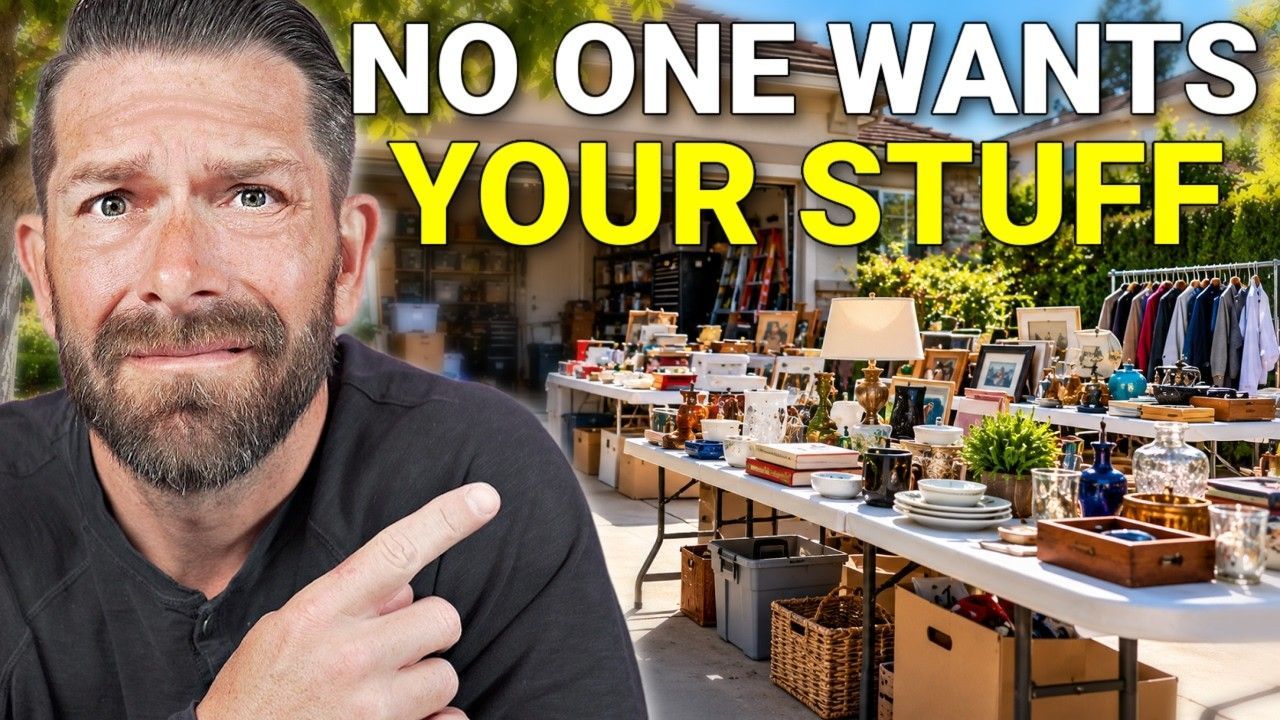
In 2026, buyers are no longer saying, “We’ll take anything.” They’re saying, “We’ll take the best thing.” Your job is to position your home as the best option in your micro-market.
Days on Market: The 2026 Mindset Shift
Days on market have moved back into the low-30s in many areas—very similar to pre-pandemic norms. This is one of the biggest mindset adjustments for sellers in 2026.
If your home doesn’t sell in 48 hours, that does not mean something’s wrong. If you don’t get five offers the first weekend, that does not automatically mean you overpriced it. It means buyers are behaving like buyers again.
What “normal” buyer behavior looks like
- They tour multiple homes before deciding.
- They request second showings.
- They measure rooms and review disclosures carefully.
- They bring family or advisors into the decision.
- They negotiate and ask for repairs.
That pace can feel slow only because 2020–2022 rewired expectations. But in 2026, patience and strategy often outperform urgency.
Home Prices in 2026: Stability (and Why Overpricing Fails)
Home prices are expected to be relatively stable in 2026. That’s the key word: stable. Stability is the opposite of a crash—but it’s also not the runaway appreciation of the pandemic years.
In a flatter market, the single most expensive mistake sellers make is overpricing. When appreciation slows, buyers become much more sensitive to value. If your home feels overpriced, many buyers will simply skip it, wait it out, and watch for price reductions.
Why overpricing hurts more in a stable market
- Less showing activity = less momentum.
- More days on market = more buyer skepticism (“What’s wrong with it?”).
- Price drops often cost more than pricing correctly from day one.
- Buyers gain leverage as time passes.
If you want to know how to sell a house in 2026 at the best price the market will support, your strategy should be simple:
- Price to win attention in the first 7–14 days.
- Support the price with presentation: condition, staging, photos, and marketing.
- Create confidence with clean disclosures and a clear plan for inspections and repairs.
Interest Rates and the Demand Trigger
Interest rates remain the biggest swing factor for buyer demand. Even a small drop can bring a meaningful wave of buyers off the sidelines.
Here’s the seller opportunity: when rates fall, demand can spike quickly. But sellers who benefit most are the ones who are prepared and already positioned—not the ones who decide to start repairs after buyers flood back in.
How rates influence demand (in plain English)
- Lower rates increase affordability.
- More affordability expands the pool of qualified buyers.
- More buyers increases competition, especially for “best in class” homes.
Preparation is how you capture the “rate drop surge.” If you wait until the surge arrives, you’ll be competing with other sellers who had the same idea.
Seasonality Is Back: Best Time to List in Orange County
For the last five years, seasonality was distorted by pandemic behavior, rate volatility, and inventory shortages. In 2026, seasonality is back—and the patterns are remarkably consistent.
Typical seasonality pattern
- January–February: quieter months; buyers look but often wait for more inventory.
- March–June: strongest window; more buyers enter and listings move faster.
- Summer: activity continues but slows as families travel and school is out.
- Fall: demand tapers; buyers get pickier and homes take longer to sell.
- Year-end: smaller bump from serious buyers trying to buy before inventory dips again.
If your goal is maximum exposure and the strongest probability of a clean sale, a solid target is to be live on the market by the first week of March.
Who’s Selling and Why It Matters
Seller demographics tell an important story: the median seller age is around the mid-60s and many homeowners have lived in their home for over a decade. The most common reason people sell isn’t “timing the market.” It’s lifestyle.
Common reasons Orange County homeowners sell
- Downsizing after kids move out
- Upsizing to fit a growing family
- Moving closer to family
- Retirement and lifestyle changes
- Relocation for work
This matters because it reframes the decision: you don’t need to feel trapped by your current rate. Your life doesn’t stop because the market changed. The market adjusts—and you can adjust with it.
Buyer Behavior in 2026: “Move-In Ready” Wins
In 2026, buyers are not rushing into anything. They want clean. They want cared-for. They want a home that feels move-in ready. And they will walk away over things that are easy to fix.
Small issues that derail deals
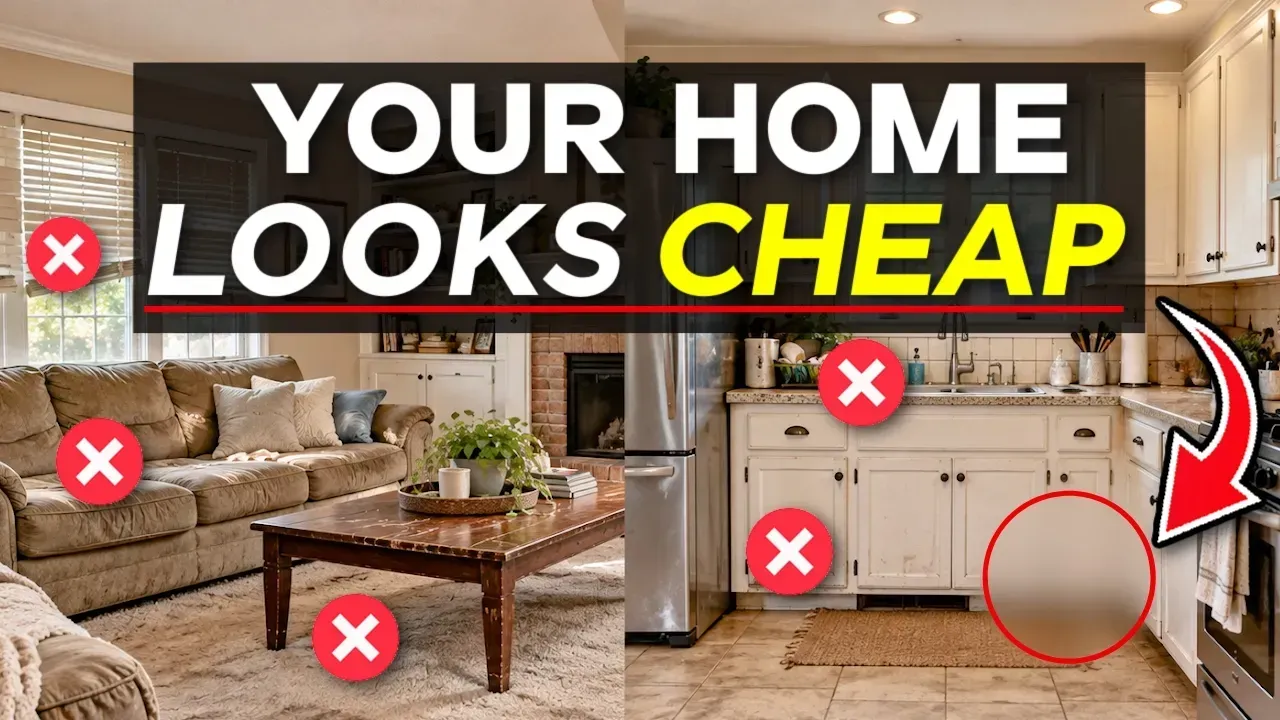
- Interior paint that feels tired or too personal
- Worn carpet or flooring that looks “expensive to replace”
- Neglected landscaping or poor curb appeal
- Outdated fixtures and lighting
- Minor deferred maintenance that signals “bigger problems”
These aren’t always costly fixes. But they dramatically impact buyer perception. In a market with more inventory, perception wins.
The Experience Gap: Why Your Agent Matters More in 2026
A significant number of agents have left the industry or are leaving. At the same time, many forecasts expect transaction volume to increase. With fewer agents and more transactions, the experience gap widens.
2026 is not the year for “set it and forget it”
- Pricing strategy matters more.
- Marketing quality matters more.
- Negotiation and contract management matter more.
- Managing inspections and repairs matters more.
In a normal market, skill beats luck. If you’re serious about top-dollar outcomes, you want proof over promises.
Preparation: The Seller’s Biggest Advantage
Preparing your home isn’t something you do a week before you list. It’s something you start early so you can make smart decisions—not rushed ones.
What smart preparation includes
- A walkthrough focused on what buyers expect at your price point
- A prioritized repair list (what matters vs. what doesn’t)
- Light updates that improve perception
- Staging and layout recommendations
- Professional photography and marketing planning
- A timeline that aligns with the strongest selling window
Calling an agent now doesn’t mean you’re listing now. It means you’re building a roadmap so when the right moment hits, you’re ready to move.
Local Strategy: Huntington Beach & Orange County Considerations
Real estate is local—and Orange County is not one market. It’s a collection of micro-markets where buyer behavior can shift dramatically by neighborhood, school zone, and proximity to the coast.
What Orange County buyers commonly prioritize
- Condition and “move-in ready” presentation
- Functional layouts (open concept, usable outdoor space, flexible rooms)
- Natural light and clean finishes
- Parking, storage, and practical upgrades
- Neighborhood feel: walkability, schools, commute patterns, lifestyle amenities
If you’re selling in Huntington Beach specifically, buyers often purchase a lifestyle—beach access, community, and the day-to-day “feel” of the neighborhood. That makes presentation and curb appeal disproportionately powerful.
The 2026 Seller Checklist
Here’s a practical checklist you can use as you plan how to sell a house in 2026 —especially in Huntington Beach and Orange County.
90–120 days before listing
- Schedule a strategy walkthrough
- Review local inventory and recent comparable sales
- Identify high-impact fixes (paint, flooring, lighting, landscaping)
- Create a timeline to target early March (if possible)
45–60 days before listing
- Complete prioritized repairs and updates
- Declutter and depersonalize
- Plan staging (even partial staging can help)
- Prepare disclosures and paperwork early
2–3 weeks before listing
- Deep clean (and touch up paint where needed)
- Final landscaping and exterior detailing
- Professional photos, video, and marketing assets
- Finalize pricing and launch strategy
Launch week
- Go live with professional marketing
- Make showing access easy
- Track activity and feedback daily
- Adjust fast if the market response signals overpricing
FAQ: Selling a Home in 2026
Will my home sell as fast as it would have in 2021?
Probably not—and that’s okay. A longer timeline is normal in a healthier market. In 2026, buyers take time, compare options, and negotiate.
Should I price high and “test the market”?
In a stable market, testing high often backfires. Overpricing can reduce showings, kill momentum, and force later price drops. Pricing correctly from day one tends to produce better outcomes.
What improvements matter most before I list?
The biggest wins are usually perception upgrades: fresh paint, flooring, lighting, curb appeal, and addressing any visible deferred maintenance. Buyers often walk away over small things that feel like big projects.
What is the best month to list in Orange County?
Typically March through June is the strongest window. If you want maximum exposure, being listed by the first week of March is a strong target in a normal seasonal cycle.
What if I have a low mortgage rate—should I still sell?
The decision to sell is often lifestyle-driven. If your home no longer fits your needs, strategy can help you move without feeling trapped by the market or by your current rate.
Next Steps
2026 is a more normal market. Inventory is rising. Buyers are more selective. Homes may take longer to sell. Prices are expected to be steadier, and interest rates will dictate when buyers come off the sidelines.
If you want to sell successfully in 2026, your best move is simple: start preparing now. The sellers who win are the ones who understand local competition, price realistically, and put a plan in place before the best selling window arrives.
If you want a walkthrough and a clear strategy for what to update, what to skip, how to price, and when to list, reach out here:
Contact Jeb’s Team