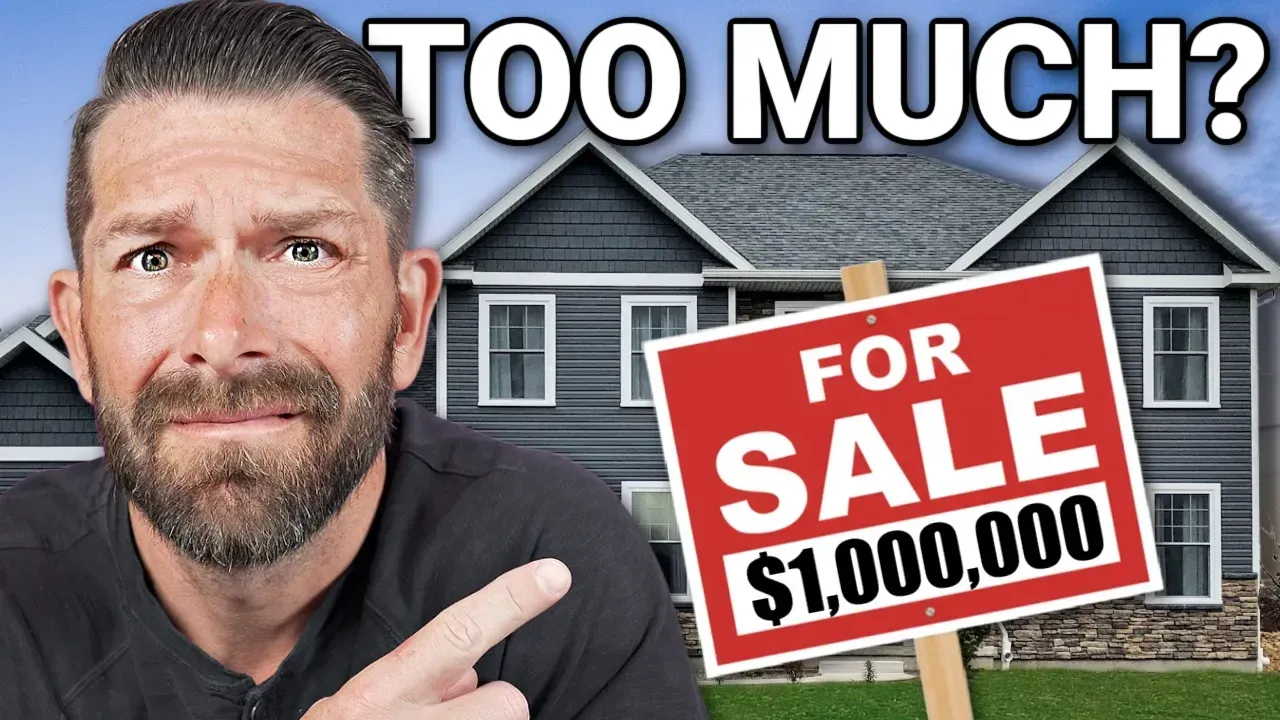
If you're thinking about selling your home in 2026, this might be the most important thing you read before you ever call an agent or put a sign in the yard. Because the mistakes that cost sellers the most money aren't the obvious ones — they're the ones that feel completely reasonable in the moment.
Here's the truth: buyers in today's Orange County and Huntington Beach market are armed with data. They know what your home is worth. They're comparing your listing to everything else active and recently sold within a two-mile radius. And when something doesn't add up — price, condition, agent, presentation — they move on. They don't negotiate you down. They just leave.
Sellers, on the other hand, come into the process carrying memories of every room, thoughts about what they put into the house, what the neighbor sold for three years ago, and what they need to net to fund their next move. That emotional gap between how sellers think and how buyers think — that's exactly where money gets lost. Tens of thousands of dollars, in many cases.
Below are the 10 most costly mistakes sellers are making right now. If you're planning to sell in 2026, read every single one before you list.
Mistake No. 1
Pricing Based on Ego Instead of the Market
This is the one that sets everything else in motion. A seller finds a comparable sale from 2021, 2022, maybe even late 2024 — maybe it's a neighbor's house, maybe it's something nearby that sold for a strong number — and they decide their home is worth the same price, if not more. The instinct is understandable. But that was a different market, often a different rate environment, and in many cases a different buyer pool entirely.
Buyers today have access to the same MLS data your agent does. When you come in overpriced, you're not creating negotiating room. You're creating silence. The phone stops ringing. Showings slow down. And after a week goes by, then two, then a month — buyers start asking questions. Why hasn't this sold? Is something wrong with it? That's when your negotiating position flips. You go from being in control to chasing the market down, and recovering from that position is very difficult.
And to address the strategy of "pricing high to leave room to negotiate" — that's simply a polished way of saying a home is overpriced. An overpriced home doesn't generate more money. It generates fewer buyers, longer days on market, and ultimately a lower sales price than a correctly priced home from day one would have produced. Buyers aren't going to negotiate you down to fair market value as a favor. They're going to wait you out.
The play: Take the emotion out of it. Get two or three honest CMAs from active agents. Consider an independent appraisal. Then price it correctly from the start — that's how you stay in control of the transaction.
Mistake No. 2
Accepting the Highest Offer Without Reading It Closely
You've priced it right, the showings have been strong, and multiple offers are on the table. The natural instinct is to take the biggest number at the top of the offer letter. But that number alone tells you almost nothing about what you're actually walking away with.
A higher offer loaded with seller concessions, a 60 or 90-day close, and a weak pre-approval is not a good offer. Your agent should be running a net sheet on every single offer that comes in. What's the loan type? What are the contingency periods? What's the closing timeline? What are you actually netting after all compensation and concessions are accounted for? That's the number you're comparing — not the top line on the offer letter.
The best offer is the one that closes on your terms, on time, with a qualified buyer. A strong agent will walk you through each offer side by side so you can make that decision clearly.
Mistake No. 3
Not Verifying the Buyer's Financing and Proof of Funds
This has become a much more significant issue in recent years and sellers need to understand it. We live in a world where a convincing pre-approval letter or proof of funds statement can be generated in minutes with the help of AI. That means a document that looks professional and legitimate can be entirely fabricated.
Your agent needs to pick up the phone and call the lender directly. They need to verify that the buyer is who they claim to be, that the funds are real, that they're domestic, and that they'll be accessible before the closing date. This is not an optional step.
There have been transactions where a proof of funds turned out to be an overseas account with no clear timeline for transfer — discovered three weeks into escrow, after the home had been sitting off the market. Every day your home is off the market waiting on a deal that falls apart is a day a more qualified buyer could have been walking through your door.
Thinking About Selling in Orange County or Huntington Beach?
These are exactly the types of situations we walk through with every seller before they list. If you have questions about how current market conditions affect your specific home, reach out directly.
Schedule a ConversationMistake No. 4
Skipping Strategic Preparation Before Listing
This one is straightforward: buyers will not pay a premium for potential. They will pay a premium for presentation. If your home is cluttered, poorly lit, or carrying visible deferred maintenance, buyers are going to walk through and mentally calculate what it's going to cost them to fix everything — and then they're going to offer you less because of it. In some cases, they'll walk entirely and never submit at all.
Strategic preparation before you list is one of the highest-return investments a seller can make. That doesn't mean a full renovation. It means addressing the things that a buyer notices the moment they step through the door — the items your agent flags as deal friction during a pre-list walkthrough.
Focus on the things that are visually noticeable. Fresh paint, clean landscaping, updated fixtures, organized spaces. The goal is to remove every mental objection a buyer might have before they ever write an offer.
Mistake No. 5
Being Present During Showings and Open Houses
Sellers who want to be home during showings genuinely believe they're being helpful. They want to answer questions and point out everything they love about the property. But buyers are deeply uncomfortable when the owner is present. They can't speak freely. They can't take their time. They feel watched, and that discomfort shortens showings and keeps offers from forming.
There's also a more dangerous pattern: sellers start talking. "We've been meaning to fix that." "The neighbors took some getting used to." "We had a leak a couple years back, but we think we got it." Every one of those comments is handing a buyer leverage they didn't even ask for.
Hire a great agent you trust completely, and when there's a showing scheduled — get out of the house. Go for a walk. Grab coffee. Let the buyers have the space to fall in love without interference.
Mistake No. 6
Falling Apart During the Home Inspection Negotiation
Most sellers understand there are negotiations in a real estate transaction. What many don't realize is that there are typically three of them — and the third one is where a lot of sellers who held their position through the first two completely give it away.
The first negotiation is getting an offer accepted. The second is the appraisal, if the value doesn't support the contract price. The third is the home inspection. And when a buyer hands over a 40, 50, or 100-page inspection report and asks for everything on the list to be addressed, sellers — especially those who are emotionally ready to be done — often start agreeing to things they don't have to agree to. Cosmetic items, routine maintenance, inspector recommendations that aren't actual deficiencies. That's not how negotiations work.
Here's the practical reality: buyers typically throw more into a repair request than they actually expect to receive. A skilled listing agent knows this. They know which items have leverage, which are optional, and how to use the money you were already planning to spend — whether on pre-listing repairs or seller credits — to satisfy the buyer's actual priorities without giving away the store.
This is one of the most underappreciated reasons why who you hire to represent you matters so much. A top negotiator who works this market every day understands where the leverage sits and how to use it.
Mistake No. 7
Spending Money on a Pre-Listing Inspection Without a Clear Strategy
Pre-listing inspections are commonly recommended, and they can make sense in the right circumstances. But there's a pattern worth understanding before you spend that money.
Sellers who order a pre-listing inspection often end up fixing the things that have been bothering them about the house — issues they've noticed for years but never addressed. The problem is that what bothers a seller and what matters to a buyer can be entirely different things. A buyer who's planning to renovate anyway isn't going to care about the cosmetic items a seller just paid to fix. And the items that actually matter to that buyer — things the seller never thought to address — won't have been touched.
A more practical approach: have your agent walk the property with you and identify the things that visually stand out to a buyer during a showing. Address those. Keep the money you were going to spend on everything else in reserve, and use it as negotiating currency if the buyer's inspection uncovers things they want addressed. That approach puts the power back in your hands during one of the transaction's most critical moments.
Mistake No. 8
Hiring the Cheapest Agent to Save on Commission
This is, without question, the most expensive mistake on this entire list. Sellers who hire a discount agent to save on commission believe they're making a financially smart decision. In practice, it almost always costs them more than they saved.
Here's what happens that sellers don't see: experienced buyer's agents research the listing agent before they ever submit an offer. They look at their sales history, their track record, how they've handled negotiations. When they see a weak or inexperienced agent on the other side, they know there's an opportunity — in the offer price, in the inspection negotiation, in how contract terms get handled throughout escrow.
Weaker marketing means fewer competing buyers. Weaker negotiation means less leverage at every turn. Weaker contract guidance means mistakes and vulnerabilities that cost you money. The commission you saved will come back to you in the form of a lower sales price and a poorly executed transaction.
The right agent doesn't cost you money — they make you money. Hire the best one you can find.
Mistake No. 9
Negotiating Emotionally Instead of Strategically
This one runs underneath every other point on this list. Sellers negotiate emotionally, and it costs them in ways they often don't see until it's too late.
"I need to net this amount so I can buy my next home." "We raised our kids here. The memories alone should be worth something." These are completely understandable feelings. They just have no place at the negotiating table. Buyers are operating like a spreadsheet — location, condition, comparable sales, days on market. That's the data driving their decisions.
The moment a buyer senses that a seller is emotionally attached, that they need a certain number, that they're anxious about where they're going next — they know they have leverage. And they'll use it. This is one of the largest financial transactions of your life, and it needs to be approached as such. The sellers who protect their equity are the ones who detach their feelings from the process and let the strategy guide them.
Mistake No. 10
Going to Market Without an Exit Strategy
This is the one that catches sellers completely off guard, even after everything else has gone right. You price it correctly, the showings are strong, you get a great offer with a 30-day close — and then panic sets in. Where am I going?
When sellers don't have a clear plan for where they're headed, the pressure of a fast close pushes them into rushed decisions. They reach out directly to listing agents on their next home instead of having their own representation. They overpay because they feel like they're out of options. Or they go back to their buyer asking for a 90-day rent-back or an extended escrow — and in doing so, hand back the leverage they spent the entire transaction building.
The solution is simple, but it requires planning before you list. Know where you're going. If nothing is locked in yet, that's fine — but have a contingency. Short-term storage, a month-to-month rental, staying with family. None of those options are glamorous, but all of them protect you from making a costly financial decision under pressure. And pressure plus emotion in real estate is a combination that reliably produces regret.
What the Best Sellers in Orange County Have in Common
The sellers who consistently walk away with top dollar in markets like Huntington Beach and the broader Orange County area share a few things in common. They remove emotion from the process early. They price based on data, not expectation. They invest in presentation, not perfection. They hire experienced representation and trust it. And they have a plan mapped out before the sign ever goes in the yard.
None of this is complicated, but it does require being intentional — and it requires honest conversations before you list, not after. The Orange County housing market in 2026 rewards sellers who are prepared and disciplined. It punishes those who operate on assumption, ego, or emotion.
If any of the mistakes above feel familiar — or if you're starting to plan a sale and want to make sure you're not walking into any of them — the best time to have that conversation is before you're under contract, not after.
Let's Talk Before You List
Whether you're three months out or already thinking about a timeline, I'm happy to walk through your specific situation — your home, your goals, and what the current Huntington Beach and Orange County market actually looks like right now. No pressure, no pitch. Just a straight conversation.
Get in Touch With Jeb