Do NOT Fix These Items When Selling A House
Get The Latest OC Housing Report
What NOT to Fix When Selling Your House
Selling your home can be an overwhelming process, and you might feel tempted to fix every imperfection to make it market-ready. However, not all fixes are worth your time and money. In this blog post, we’ll discuss what not to fix when selling your house, helping you save resources while focusing on changes that actually matter. By the end, you'll have a clear strategy for prioritizing repairs that can help you sell faster and for top dollar.
Focus on What Matters Most
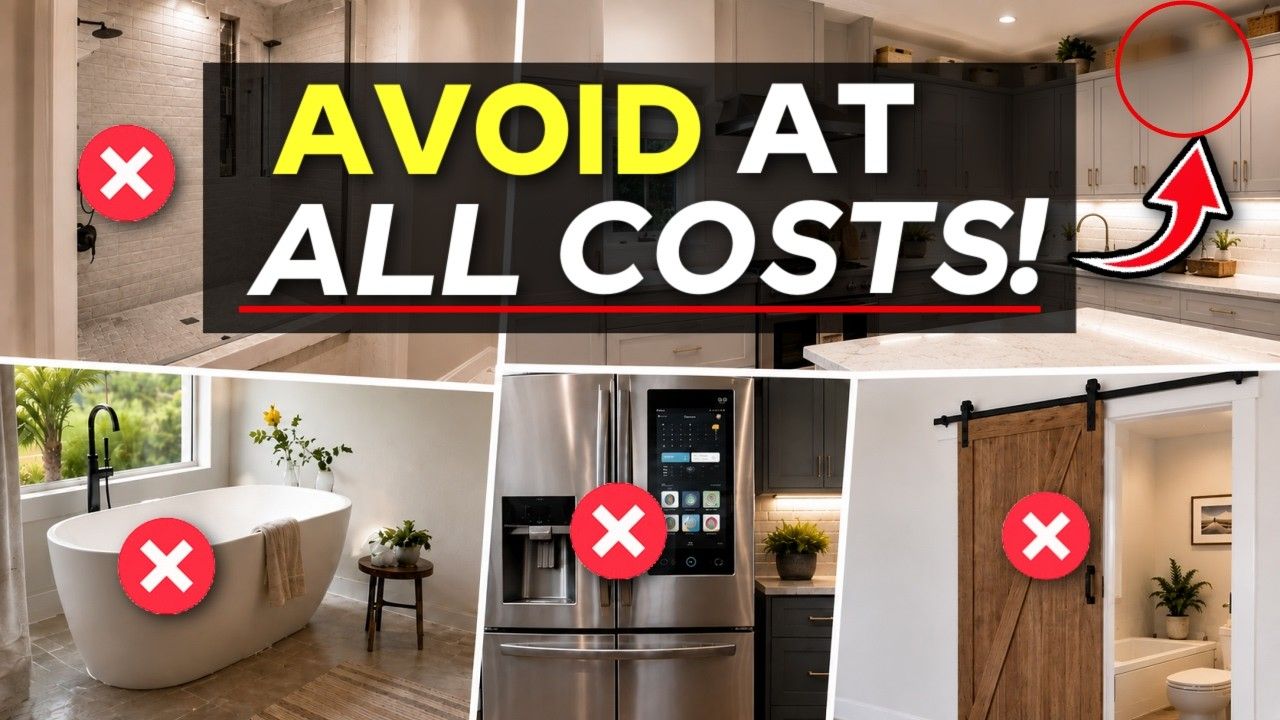
Before diving into renovations, consider what buyers are truly looking for. While kitchens and bathrooms can sell homes, full remodels often cost more than they add to your home's value. For example, a $50,000 kitchen remodel might only increase your home's value by $15,000. Instead, prioritize smaller, cost-effective updates that create a fresh look without breaking the bank.
Skip Major Renovations
Major renovations, like full kitchen or bathroom remodels, rarely offer a dollar-for-dollar return. Unless you plan to enjoy the upgrades for several years before selling, avoid spending significant money on these areas. Focus on small changes, like painting cabinets, updating hardware, and replacing light fixtures, to give these spaces a refreshed feel at a fraction of the cost.
The Power of Paint, Lighting, and Flooring
Simple updates like fresh paint, improved lighting, and new flooring can dramatically change a home's perception. Buyers make emotional decisions, so a clean and updated appearance can make a big difference. Focus on neutral colors and modern touches to appeal to a broader audience.
Don’t Fix Everything
As a homeowner, you notice every flaw in your house, but buyers often don’t. They are more focused on whether the home fits their needs than on minor imperfections. Avoid spending money on fixing details that buyers won’t notice, like small scratches or minor dents.
Avoid Over-Improving
Over-improving your home to exceed the standards of your neighborhood can backfire. Buyers compare homes within the same area, and going above local comparables won’t guarantee a higher return. Instead, aim to match the standard of nearby homes to ensure you get the most value without overspending.
Address Functional Issues
Rather than replacing old but functional items like roofs or HVAC systems, focus on fixing broken or malfunctioning components. Plumbing issues, faulty wiring, or an outdated electrical panel can scare buyers away. Addressing these issues can prevent costly credits or delays during the selling process.
Declutter and Deep Clean
A clutter-free and clean home makes a strong impression. Decluttering makes rooms feel larger, and a deep clean can enhance the perceived value of the property. Small fixes, like patching holes or replacing broken tiles, can further improve the home’s move-in readiness.
First Impressions Matter
The exterior sets the tone for buyers before they even step inside. Simple efforts like trimming bushes, pressure washing, or repainting the front door can create a welcoming feel without overspending. These small updates can make your home stand out in a competitive market.
Keep Perspective
Remember, buyers are emotional and envisioning their future in your home. They aren’t nitpicking every flaw the way you might. Focus on creating a clean, inviting, and functional space that allows them to picture themselves living there.
Conclusion
Selling your home doesn’t mean fixing everything. Focus on cost-effective updates, functional repairs, and creating an inviting atmosphere to maximize your home’s appeal. By prioritizing the right improvements, you can save money and attract buyers who see the value in your property. Good luck with your sale, and if you have any questions, feel free to reach out or share your thoughts in the comments!